

Let’s face it — when most of us think about home comfort, we picture plush couches, a cozy bed, maybe a perfectly brewed cup of coffee. What rarely makes the list? Hot water. But the second it’s gone, you feel it. Cold shower. Greasy dishes. A washing machine that just doesn’t quite do the trick.
Suddenly, your water heater jumps from background noise to front-page drama.
Thing is, your water heater works harder than you probably give it credit for. It quietly supports your morning routines, cleaning cycles, and comfort without so much as a thanks. But like anything mechanical, it needs the right setup — and a little love — to keep doing its job.
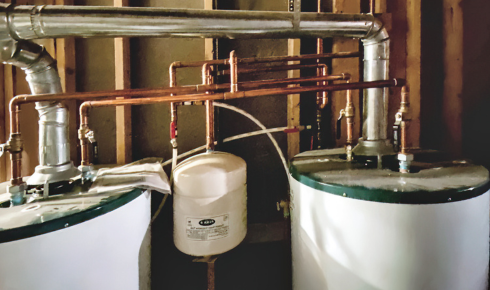
Tank Heaters: The Traditional Workhorse That Still Gets It Done
Most homes across the country are powered by good old tank heaters. They’ve been around for decades, and for good reason — they’re straightforward, dependable, and get the job done.
A tank heater stores a set amount of water (usually 40 to 80 gallons) and keeps it hot around the clock. So when you turn that tap, it’s ready to go. No waiting, no drama. The trade-off? When the hot water runs out, you’ve got to wait for the tank to refill and reheat.
They’re not fancy. But if you’ve got the space and a household that sticks to routine usage, they’re more than enough. Just know they’re always working — even when you don’t need them — which can mean higher energy bills, especially in colder climates where maintaining heat is a 24/7 battle.
Still, when maintained well, tank heaters can serve a home for 8–12 years without skipping a beat.
Hybrid Water Heaters: The Smart, Efficient Middle Ground
Now, if you’re looking to cut energy costs without giving up capacity, hybrid water heaters are gaining major traction. These systems combine the traditional tank setup with a heat pump — essentially pulling warmth from the air around them to heat the water, rather than generating the heat directly.
What does that mean for you? Up to 60% less energy usage compared to a standard electric tank. That’s no small potatoes — especially over the lifetime of the unit.
Hybrid models do take up a bit more space, and they’re a bit pricier upfront. But between rebates, energy savings, and quieter operation, many homeowners are finding them to be a smart investment.
Plus, they work well in moderate to warm climates where heat pumps thrive. If you’ve got the space and a long-term mindset, hybrid might just be your water-heating soulmate.
Don’t Wait for Cold Showers: Water Heater Maintenance Matters
Regardless of which system you go with — traditional tank or high-tech hybrid — water heater maintenance is what keeps things running smooth. Think of it like going to the doctor for a check-up. A little attention now can prevent a whole lot of pain (and cost) down the road.
Over time, sediment builds up inside tanks. Pressure valves wear out. Anode rods corrode. And all those small issues can add up to poor performance or even a breakdown. Regular maintenance can catch these early. Flushing the tank, inspecting for rust, checking electrical and gas connections — it’s not rocket science, but it’s crucial.
A good plumber will also keep an eye on the overall health of the system and let you know if replacement is on the horizon — which is way better than finding out when you’re shivering in the shower.
When Is It Time to Replace?
So how do you know if it’s time to say goodbye to your old heater? Here are a few red flags:
- Your hot water runs out way faster than it used to
- You hear odd sounds — banging, popping, or hissing
- Rusty water or a metallic smell
- Higher-than-usual energy bills
- Visible leaks or corrosion near the base
If your unit is over 10 years old and showing any of these signs, it might be time to explore a new model. And in today’s market, that also means thinking about efficiency — not just hot water delivery.
The Right Fit for Your Life
Choosing a water heater isn’t one-size-fits-all. Families with kids who take long showers might need a bigger tank. Single homeowners might prefer a sleek hybrid for the efficiency boost. Got solar panels? You might want to think electric. Live in an area with expensive electricity but cheap gas? That factors in too.
Your water usage, utility costs, climate, and even home layout all play a role. A good plumbing professional will walk you through it — not push you toward a brand or model, but help you choose based on your life.
Final Thoughts: Respect the Heat
We don’t often appreciate the systems that work quietly behind the scenes. But the next time you turn on the tap and get that perfect stream of hot water, take a moment. That warmth? That comfort? It comes from a system that’s doing a heck of a lot more than you think.
Whether you’re relying on tank heaters to get through the winter, considering the energy savings of hybrid water heaters, or just trying to stay on top of water heater maintenance, the key is simple: don’t wait for a cold wake-up call.
Treat your water heater like the essential comfort provider it is. Because life’s just better when the water’s hot.