
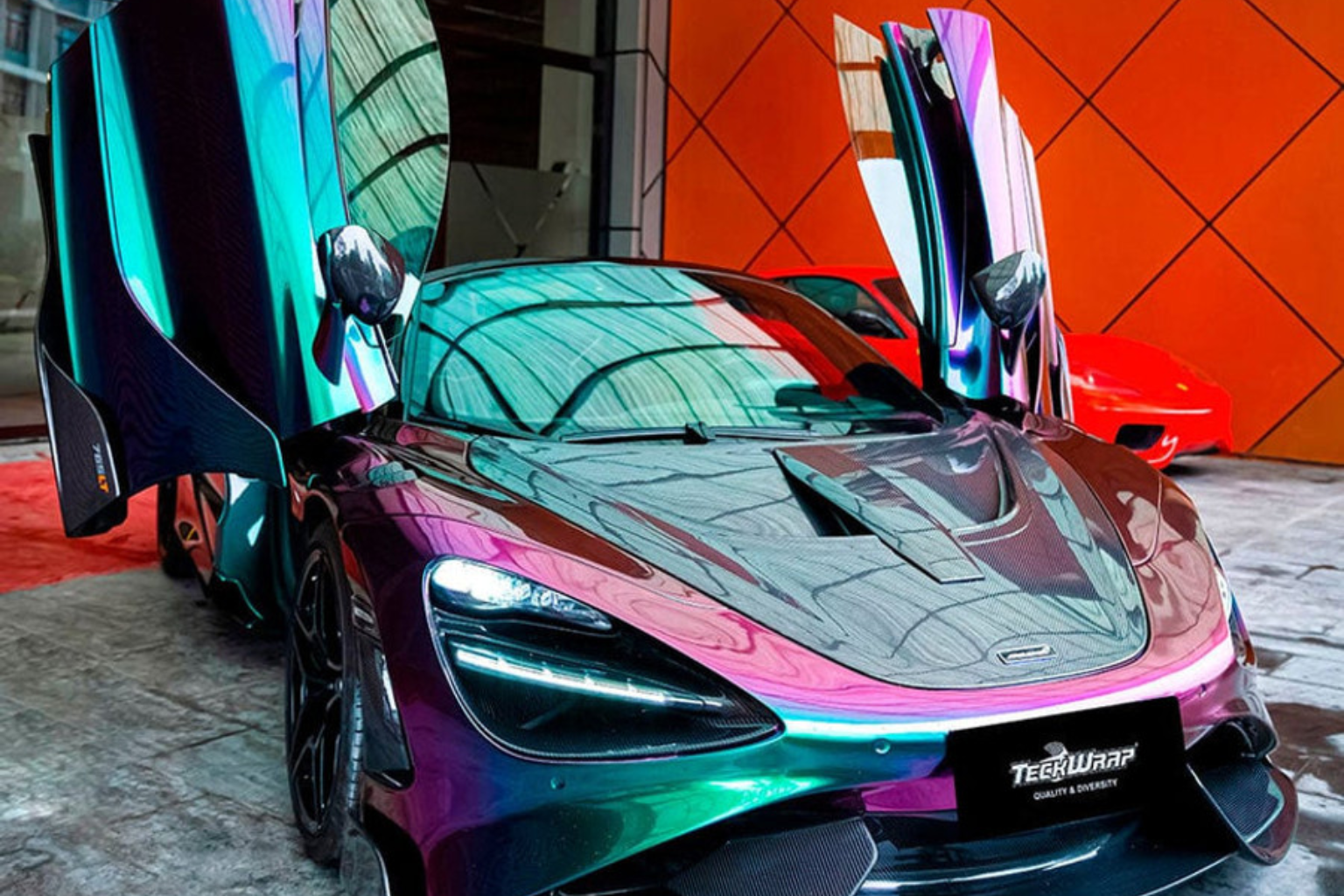

There’s something thrilling about seeing a freshly wrapped vehicle roll off the lot. That high-gloss shine, the bold colors, the clean lines—it just pops. Whether it’s a single car or a fleet of trucks, a good wrap doesn’t just cover a vehicle—it transforms it. And in a world where first impressions are everything, your wrap might be your brand’s loudest introduction.
But behind that eye-catching finish is a whole world of nuance: design theory, material choice, color psychology, and technical know-how. It’s not just vinyl and squeegees—it’s storytelling on wheels.
Why Color Isn’t Just a “Nice to Have”—It’s a Must
Let’s start with color, because let’s be honest—it’s usually what grabs people first. Not your website URL, not the tagline, not even your logo. Color is visceral. It’s immediate. It says something before you say anything at all.
The rise of vibrant wrap colors has completely shifted the game. We’re not talking about standard white vans with black lettering anymore. We’re talking neon gradients, pearlescent greens, matte metallic purples, and iridescent finishes that seem to shift with every angle of sunlight.
And guess what? These colors don’t just look good. They work. They attract attention, they create recall, and they send signals about your brand—energetic, creative, luxurious, eco-conscious—you name it.
A dull wrap gets ignored. A vibrant one gets remembered.
Options Galore: Exploring the Full Spectrum
Now let’s talk variety. You’re not stuck with ten boring shades of blue anymore. The wrap industry has exploded into a full spectrum of textures, tones, and finishes. Gloss, satin, matte, brushed metal, carbon fiber, chrome—the list keeps growing.
And here’s the beauty of it: you don’t have to choose a single color and live with it forever. Want a two-tone wrap? Done. A gradient fade from deep burgundy to fire orange? Absolutely. A black matte base with a holographic logo overlay? There are vendors who specialize in just that.
Color doesn’t just dress the vehicle—it defines it. The combinations are nearly limitless, and smart designers know how to use contrast, composition, and brand alignment to create wraps that don’t just turn heads—they spark conversations.
Quality Over Everything: Why Materials Matter
Okay, you’ve nailed the design. The colors are perfect. Now what?
Now comes the make-or-break part: material quality.
Not all vinyl is created equal. And while it’s tempting to cut costs on material, it’s one of those things that will come back to haunt you later. Cheap wraps fade, peel, bubble, and crack. They make your brand look… well, cheap.
That’s why professionals work with premium films from trusted manufacturers—brands like 3M, Avery Dennison, and Orafol. These films are engineered for durability, flexibility, and long-term adhesion. They resist UV fading, handle temperature swings, and stay tight and clean for years.
Premium doesn’t mean fancy for fancy’s sake. It means peace of mind. It means showing up to a client meeting without your wrap lifting at the edges or looking washed out after one summer.
It’s Not Just Looks—It’s Psychology
There’s a reason fast food joints use red and yellow. There’s a reason luxury brands lean into black, gold, and deep navy. Colors trigger emotions. They influence behavior. The same goes for vehicle wraps.
Choosing the right hues can do more than just “look good”—they can actually help guide how people perceive your business. Are you trying to be friendly and approachable? Go for warm, saturated tones. Want to look sleek and high-end? Monochrome palettes with chrome accents can communicate professionalism and polish.
A good wrap doesn’t just attract—it aligns. It bridges your brand promise with the customer’s expectation. And when you hit that harmony? That’s when the magic happens.
Maintenance Makes a Difference
Even the best wrap in the world can lose its charm if it’s not taken care of. Sunlight, grime, car washes, bird bombs (yep, those count)—they all take a toll. But here’s the thing: most people don’t know that wrap care is a thing.
Use the wrong soap, and you might dull the finish. Skip regular washes, and contaminants can eat into the vinyl over time. Park under trees every day? Sap and shade can age your wrap unevenly.
Wrap pros often recommend regular hand washes, wrap-safe detailing sprays, and the occasional wax (if the film allows it). It’s not rocket science, but it is a habit. The better you treat your wrap, the longer it keeps looking like new.
Wrapping for Business: ROI on Wheels
If you’re a business owner, let’s talk numbers. Because wrapping a vehicle isn’t just an expense—it’s an investment.
Think about it: once that wrap is installed, you’re advertising 24/7. Every stoplight, every highway drive, every parking spot is a potential brand impression. No monthly ad fees. No per-click rates. Just your brand, working overtime.
Studies have shown that a well-designed wrap can generate tens of thousands of impressions per day in busy areas. And unlike digital ads, which disappear after a second, a wrap creates repeated exposure. That repetition builds familiarity. And familiarity builds trust.
A wrapped vehicle isn’t just a delivery truck—it’s a mobile billboard. And in many cases, it’s the most cost-effective advertising spend you’ll ever make.
Thinking Beyond Cars and Trucks
Here’s a thought: wraps aren’t just for vehicles. Trailers. Box trucks. Boats. Food carts. Even ATVs and snowmobiles. If it rolls, floats, or moves—it can probably be wrapped.
And there’s more. Interior walls, windows, floors—yes, even floors—are all being wrapped with branded messaging, murals, and wayfinding graphics. The wrap industry is expanding beyond transportation into retail, architecture, and experiential design.
The creative possibilities? Let’s just say they’re a whole lot bigger than a single van.
Trends Worth Watching
If you’re planning a wrap project soon, keep an eye on a few trends:
- Color-shifting films – These have become wildly popular, changing hue depending on light and angle.
- Minimalist design – Clean layouts with bold typography are making a comeback, especially for upscale brands.
- Mixed textures – Pairing matte with gloss, or carbon fiber with chrome, to add subtle depth and interest.
- Brand storytelling – More companies are using wraps to tell a story—not just list services.
The more intentional you are, the more impact your wrap will have.
Final Thought: Show Up in Color
A good wrap doesn’t just decorate your vehicle. It gives it a voice. It introduces your brand without a handshake or pitch deck. It says, “We’re here. We’re proud. And we mean business.”