

You’d think in 2026, clean water would be a given—just turn on the tap and trust what flows out, right? But the truth is, even in modern households and well-run municipalities, water isn’t always as pure as it seems. Sure, it looks clear. Maybe it even tastes okay. But lurking beyond the senses might be an invisible mix of contaminants, minerals, bacteria, or chemicals that could pose real health risks or quietly damage your plumbing over time.
And no, this isn’t fear-mongering. It’s a reality many homeowners discover only after rust stains creep onto fixtures, a child gets recurring stomach upsets, or a foul odor becomes part of daily showers. The question is—how do you get ahead of these issues before they become costly or worse?
That’s where the conversation about smarter, science-driven water safety begins.
Why Water Testing Is the Unsung Hero of Home Health
Let’s face it, most of us aren’t thinking about our water unless it tastes funny or smells off. And even then, we might ignore it until someone else complains. But relying on our senses to detect issues is like trying to spot a gas leak by listening for a hiss—dangerously insufficient.
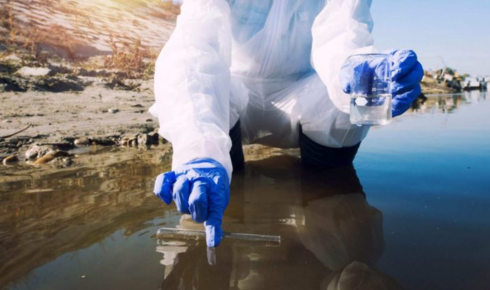
What we really need is comprehensive water testing—a thorough, lab-backed analysis of your water’s contents. Not just pH levels or hardness (though those are helpful), but a full scan that covers metals like lead or arsenic, chlorine byproducts, bacteria like E. coli, and even industrial runoff or pesticide traces.
A lot of homeowners assume that if they’re connected to a city water line, testing isn’t their concern. Unfortunately, municipal testing doesn’t account for what happens after the water leaves the treatment plant and travels through miles of aging pipes before it hits your faucet. And if you’re on a private well? You’re on your own. Literally.
Testing once isn’t enough, either. Water quality can shift over time—seasons, nearby construction, flood events, or even something as routine as replacing your pipes can influence what’s coming out of the tap. A one-time test might give you peace of mind today, but what about six months from now?
The UV Light That’s Quietly Protecting Your Family
Let’s say your test results show biological contaminants—bacteria, viruses, protozoa—the kind of stuff you absolutely don’t want in your morning coffee or brushing your teeth. Chlorine is a common municipal solution, but it’s not always ideal for private homes, especially when overused.
Enter UV disinfection, a sleek, chemical-free method for neutralizing microorganisms by damaging their DNA. Sounds sci-fi, but it’s actually simple science. Water flows through a chamber containing a UV light. As it passes through, pathogens are zapped—rendered inactive—without changing the water’s taste, smell, or mineral balance.
This method has exploded in popularity for good reason. It’s low-maintenance, effective, and doesn’t introduce anything foreign into your system. Plus, there are no harmful byproducts—just clean, safe water at the other end.
For families dealing with recurring well contamination or homes with immunocompromised residents, UV systems offer a sense of security that feels almost like a superpower. They’re also a game-changer for those living in rural or semi-urban areas where water sources aren’t always reliable.
When Water Has a Chemical Attitude Problem
Now, what if your water test shows high acidity or traces of sulfur, iron, or other chemical imbalances? You don’t just want to remove stuff—you want to neutralize the troublemakers. Because otherwise, that acidic water can corrode your plumbing, stain your sinks, or make your coffee taste like a chemistry set.
This is where chemical neutralization comes into play. Think of it as the “bouncer” of your home’s water system—it doesn’t just filter bad guests out; it stops them from getting rowdy in the first place. Neutralizers work by introducing substances like calcite or soda ash into your water stream, which helps balance pH levels and reduce corrosion.
These systems are especially useful in well water setups or regions with naturally acidic groundwater. And no, this isn’t about turning your home into a science lab. Most modern neutralization systems are fully automated—set it and forget it (with an occasional maintenance check, of course).
It’s not about over-engineering your home. It’s about preventing avoidable damage and maintaining healthy water chemistry so your appliances, pipes, and body aren’t dealing with a constant chemical onslaught.
Beyond Filters: A Layered Approach to Protection
Here’s the thing. No single solution—UV, reverse osmosis, carbon filtration, neutralizers—is a silver bullet. The smartest homes take a layered approach. Start with comprehensive water testing to understand what you’re dealing with, then match the solution to the problem.
If you’ve got bacteria and viruses? UV disinfection is your friend.
High acidity or strange tastes? Time to look into chemical neutralization.
Sediment, chlorine, or heavy metals? That’s where carbon filters, softeners, or reverse osmosis units shine.
The truth is, most people don’t know what systems they need until they’ve seen their test results. And sadly, many end up buying the wrong filters or skipping maintenance simply because they were never given the full picture.
Real Peace of Mind Doesn’t Come in a Bottle
Bottled water might seem like a quick fix, but it’s not sustainable—or trustworthy. Most bottled brands are just filtered tap water in plastic clothes. And if you’re using bottled water for drinking while cooking, bathing, and brushing still happen with unfiltered tap? You’re only getting partial protection.
There’s a quiet confidence that comes from knowing your home’s water is safe at every faucet. That your kids can drink from the bathroom tap. That your dishwasher isn’t being slowly eaten alive by acidic water. That your shower doesn’t leave your skin itchy or your hair dull.
All that starts with awareness—and action.
The Takeaway: Know Your Water Before It Knows You
We don’t think twice about insuring our homes, locking our doors, or getting regular checkups. Why should our water—something we consume, bathe in, cook with, and run through every part of our home—be any different?
It’s not about panic. It’s about prevention. Whether you’re in a new build, a 20-year-old home, or a rural cabin, taking control of your water quality isn’t just a smart move—it’s a necessary one.
So go ahead—get the comprehensive water testing. Install that UV disinfection system if it fits your needs. Don’t ignore signs that call for chemical neutralization. Your water might look fine on the surface—but clarity isn’t the same as purity.
Because when it comes to your health and your home, “better safe than sorry” isn’t just a saying. It’s a strategy.