

Let’s be honest—water is something most of us take for granted until there’s a problem. You turn the tap, fill your glass, and move on with your day. But if you’ve ever sipped water that tasted just a bit off or noticed streaks on your “clean” dishes, you’ve probably wondered: what’s really in my water?
The truth? A lot. And if you care about health, taste, equipment longevity, or even just peace of mind, then high-quality water systems are more essential than ever.
The Hidden World Inside Your Tap
City water may be treated, but that doesn’t mean it’s clean. Municipal systems do a good job eliminating immediate dangers, like bacteria or parasites. But what about the not-so-obvious contaminants—things like chlorine, lead, nitrates, pesticides, or microplastics?
And if you rely on well water, that opens up a whole different can of worms: iron, sulfur, hardness, or worse, industrial runoff.
This is where high purity water systems quietly step in and change the game. These aren’t your average water filters—they’re designed to go far beyond taste and odor, delivering ultra-pure water ideal for sensitive applications like medical use, labs, food production, or just health-conscious homes.
It’s Not Just About Drinking
You might think filtered water is just for sipping, but let’s zoom out a bit.
Think about your appliances: your dishwasher, washing machine, coffee maker, water heater—all of them interact with water on a daily basis. The scale and sediment build-up they endure from hard or dirty water can destroy efficiency and shave years off their lifespan.
Then there’s your skin. Yep, your skin feels the impact of water quality. Hard water can leave you dry, itchy, and reaching for that overpriced moisturizer.
So, in reality, better water isn’t a luxury—it’s a form of protection for your body, your home, and your wallet.
What Makes Water “High Purity,” Anyway?
Purity isn’t just about fewer things floating around in your water—it’s about what gets filtered and how thoroughly. A top-notch purification system might use a combination of sediment filters, carbon blocks, reverse osmosis (RO), UV sterilization, and deionization to achieve nearly laboratory-grade water.
Reverse osmosis, in particular, is the MVP of modern water filtration. It uses a semi-permeable membrane to remove up to 99% of dissolved salts, organics, bacteria, and pyrogens. But it needs support—without proper design, maintenance, and storage, even the best RO system can fall short.
And that brings us to something most people overlook…
The Role of the Storage Tank
After water has been purified, where does it go?
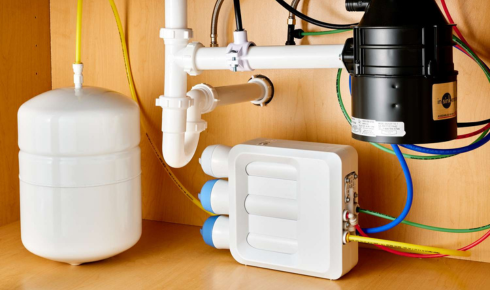
If you guessed a storage tank RO setup, you’re right on the money. RO systems work slowly—they purify water drop by drop—so a storage tank ensures that when you need water, it’s ready on demand.
But here’s the kicker: if your storage tank isn’t properly maintained or sized, it can introduce contaminants back into your pristine water. Stagnant water can harbor bacteria or pick up odd flavors from plastic tanks that degrade over time.
It’s like running a marathon and then slipping at the finish line.
A high-quality RO system deserves an equally high-quality tank—stainless steel interiors, sealed bladders, anti-bacterial linings, or UV protection. Don’t cheap out on the thing that holds your most valuable resource.
Don’t Ignore the Filter Swap
Let’s talk about something most people forget: ro filter replacement.
Filters are the silent workers of your system, but they have a lifespan. Push them too long and they start doing the opposite of what you want—letting contaminants through, reducing water pressure, and even damaging the system itself.
How often should you replace them? That depends on your water source and system usage, but a good rule of thumb is:
- Sediment pre-filters: every 6–12 months
- Carbon filters: every 6–12 months
- RO membranes: every 2–3 years
- Post-filters: annually
If you notice slower flow, strange taste, or cloudy water, your filters are probably crying out for help.
Skipping this step is like never changing your car’s oil—it’ll work for a while… until it doesn’t.
The Human Cost of Neglect
Sometimes the effects of poor water don’t show up right away. But long-term exposure to contaminants—even in trace amounts—can lead to real health concerns. Skin issues. Digestive problems. Weakened immune responses. And for vulnerable populations like children, seniors, or immunocompromised individuals, the stakes are even higher.
We’re talking about your daily intake. Cooking, drinking, brushing teeth, showering. Water touches every corner of your life.
It deserves more than a once-in-a-while thought.
So, Is It Worth It?
Investing in a high-end water purification system might not feel urgent—until you’ve dealt with rusted pipes, appliance failures, or mysterious health issues that nobody can explain.
The truth is, prevention is a lot cheaper than repair.
And with technology evolving, there are systems for every budget, home size, and water source. Whether you’re retrofitting a small apartment or building a water lab, clean water is a universal need that shouldn’t feel out of reach.
Final Thoughts: Water, The Way It Should Be
It’s easy to forget that clean water doesn’t just magically appear. Behind every perfect glass is a system that works—quietly, reliably, and with a little help from you.
So, whether you’re battling hard water, prepping for a home upgrade, or just want to finally enjoy a glass of water that doesn’t taste like a swimming pool—it’s time to look beyond the faucet.