When winter settles in and that morning chill bites through the windows, there’s nothing quite like the cozy hum of a heating system kicking on. You pour your coffee, wrap yourself in a blanket, and silently thank the person who had the foresight to get your heating situation sorted. But behind that comfort is a choice—and usually a messy one—about how you heat your home.
Let’s talk about it like real people. Not like an HVAC brochure. If you’re thinking about getting a heating system in place—or replacing the dinosaur that’s rattling in your basement—this article is here to walk you through the real deal. Not just specs and brands, but the why, the what-if, and the how-not-to-overthink-it of residential heating.
Why Your Heating Setup Actually Matters
Your heating system isn’t just about staying warm. It’s about energy bills, home value, peace of mind, and even your family’s health. Whether you’re settling into a new home or realizing the 20-year-old furnace has seen better days, deciding to go for a proper heating system installation can be a smart long-term investment—not just another line item in your home maintenance list.
But before calling the first number on Google, slow down. Not all systems (or installers) are created equal.
So Many Systems, So Little Patience
Let’s break down the basics. Broadly, you’ve got:
- Furnaces – Runs on gas, oil, or electricity. They’re old-school but still popular for good reason.
- Heat Pumps – Great for moderate climates. They double as ACs in summer.
- Boilers – Use water to heat spaces. More common in older homes or the Northeast.
- Radiant Floor Heating – Fancy, invisible, and very comfy.
Each has its quirks. A furnace might heat faster, but a heat pump could be more efficient. A boiler runs quietly, but the install might get pricey if your house isn’t already set up for it.
And that’s just scratching the surface.
It’s Not Just Plug-and-Play
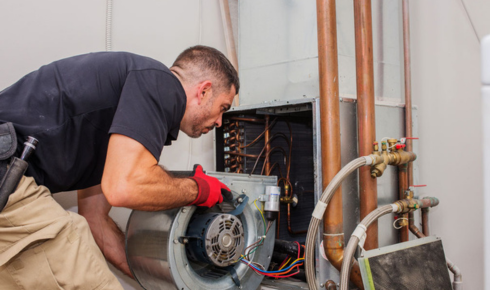
Installing a heating system isn’t like buying a toaster. It’s technical. It involves ductwork, wiring, insulation evaluations, local permits, and sometimes even your home’s structural layout. A rushed heating unit install without proper sizing or airflow planning can lead to higher energy bills and uneven temperatures in your rooms—think sauna in the kitchen, freezer in the guest room.
Pro tip? Always ask your installer about load calculations. If they blink at that phrase, maybe keep looking.
The Human Side of Heating
Here’s the thing they don’t tell you on company websites—choosing a heating setup is a personal decision. If you’ve got kids or older family members, your comfort priorities shift. If you’re working from home, your usage patterns are different than someone who only crashes in the evenings.
Your heating system should match your lifestyle. Period. That means thinking beyond “What’s cheapest?” and more about “What keeps me comfortable without murdering my wallet in February?”
What to Expect from a Residential Heating Installation
Alright, let’s say you’ve picked a system and a solid contractor. What happens next?
Typically, residential heating installation includes:
- Initial inspection and measurement – They check insulation, square footage, window types, etc.
- System design – Depending on your home layout and preferences.
- Removal of old unit (if needed) – This might take a few hours or a whole day.
- Installation – Could take anywhere from 1 to 3 days, sometimes more.
- Testing and fine-tuning – This part is crucial. It ensures everything works before you’re stuck with a cold front.
And yes, your house will be a bit chaotic for a few days. But it’s worth it.
Mistakes You Don’t Want to Make
Here’s where homeowners often go sideways:
- Going cheap on installers – A low quote is tempting, but poor labor can cost double in the long run.
- Skipping the warranty talk – Always ask what parts/labor are covered and for how long.
- Not considering future costs – That super-affordable gas furnace? Might come with skyrocketing gas bills next year.
- Assuming all homes are the same – Your neighbor’s setup might not work for your 1960s split-level.
A heating system isn’t just a product. It’s a service + experience. Don’t treat it like an appliance purchase.
Maintenance Isn’t Optional
Once your shiny new system is humming along, don’t just forget it. Like a car, it needs care. Change your filters regularly. Schedule annual tune-ups. Keep an eye (and ear) out for weird sounds.
Neglecting basic upkeep can shorten your system’s life and quietly drain your wallet over time. A little prevention can mean years of extra performance.
Energy Efficiency Is a Big Deal (Like, Really Big)
A well-installed, modern heating system can slash your energy consumption by 20%–40%. Not only does that help your budget, but it also reduces your home’s carbon footprint.
If you’re into rebates or government incentives, energy-efficient systems often qualify. Ask your installer about SEER ratings (for heat pumps) or AFUE (for furnaces). Numbers aren’t everything—but they do matter.
Real Talk: It’s an Investment, Not a Splurge
At the end of the day, nobody wants to spend thousands on HVAC. But comfort, safety, and long-term value make this one of the few home improvements that truly pays off.
Whether you’re in a small bungalow or a sprawling family home, getting your heating system right is one of those decisions you’ll thank yourself for every chilly morning.
Final Thought
Don’t get caught in analysis paralysis. Research matters, yes. But so does action. Find a local pro, ask the hard questions, and trust your instincts. Comfort shouldn’t be complicated—but it should be done right.
And hey—once it’s all set up, that first winter night where you’re wrapped in warmth while the wind howls outside? That’s when you’ll know: it was totally worth it.