You ever scrub the kettle, rinse the coffee maker, or stare at your dishwasher and think, “Why does everything have this weird, chalky film?” You’re not alone. If your appliances seem to age in dog years or your glassware never sparkles no matter how hard you try—yep, chances are you’ve got hard water.
Hard water isn’t dangerous, but it’s annoying. Relentlessly so. It clings, clogs, stains, and quietly sabotages everything from your water heater to your laundry routine. The good news? It’s totally fixable. But first, you’ve gotta understand what you’re dealing with.
This isn’t a lecture. This is a straight-up, no-fluff guide to what hard water is doing to your home—and what you can actually do about it.
What’s So “Hard” About Hard Water?
Hard water is basically just H₂O with extra baggage. Specifically, minerals like calcium and magnesium. These minerals aren’t toxic, but when they show up in your water in high concentrations, they leave behind scale—that stubborn, crusty residue that builds up over time.
You’ll find it in your showerhead, around your faucets, and deep inside your appliances. And while you can clean the visible stuff, the hidden damage is where it really hurts.
Left unchecked, hard water will shorten the life of your plumbing, make your washing machine work overtime, and force your water heater to battle a layer of mineral armor every time it kicks on. Not ideal.
If you’re trying to reduce scale on appliances, treating the water before it reaches them is your best bet—not after.
So… How Do You Know for Sure?
Not every hard water situation looks the same. Some folks get cloudy glassware. Others deal with dry skin and dull hair. But to really understand the problem, guesswork won’t cut it.
You need clarity—literally and figuratively.
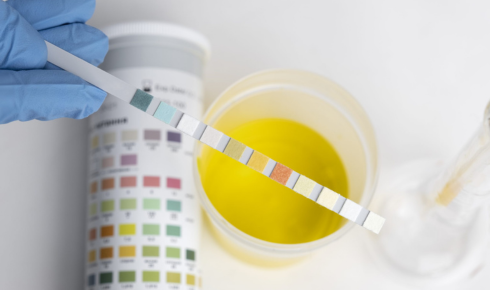
And that’s where expert water testing comes in. These aren’t just pool strips or DIY kits you grab at the hardware store. Proper water testing evaluates the hardness level (measured in grains per gallon), checks for iron, pH balance, chlorine, and other contaminants that might be messing with your water quality.
Knowing exactly what you’re up against means you can stop wasting money on random fixes and go straight to the solution that actually works for your specific water profile.
The Real-Life Impact (It’s Not Just About the Water Bill)
When your water isn’t right, nothing feels right. You might notice your clothes don’t feel clean. Your skin gets itchy after showers. Soap and shampoo don’t lather the way they should. Even your morning coffee can taste a little… off.
Hard water slowly chips away at the everyday little comforts in your home—and the dollars in your wallet. It makes your appliances less efficient and more likely to break down. And while it might not seem urgent now, over the years, it adds up in repairs, replacements, and frustration.
That’s why residential hard water fixes aren’t just a luxury—they’re preventative maintenance for your home and sanity.
What Can You Actually Do About It?
There’s no single fix for every home, but there are options that actually work—if you know what you’re dealing with.
- Water Softeners
The classic, time-tested solution. These systems use salt to remove hardness minerals from your water. They’re incredibly effective, especially for homes with high levels of calcium and magnesium. - Salt-Free Conditioners
A good alternative for folks who don’t want to deal with salt or who live in areas with salt discharge restrictions. They don’t remove minerals but alter their structure so they don’t stick to surfaces as easily. - Point-of-Use Filters
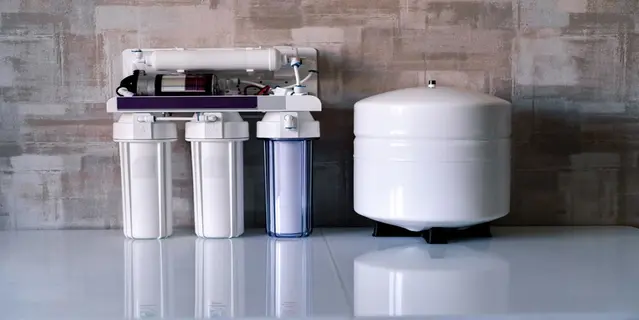
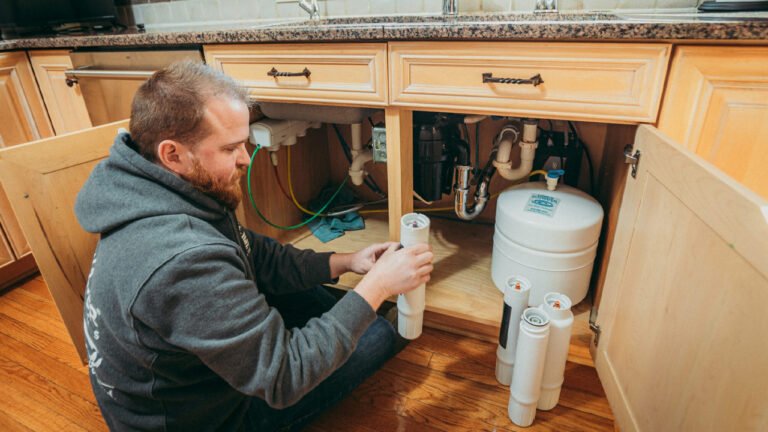
Not a full solution, but a helpful add-on. These are great for drinking water and help improve taste and odor, especially if chlorine is also an issue. - Whole-Home Filtration + Softening Combos
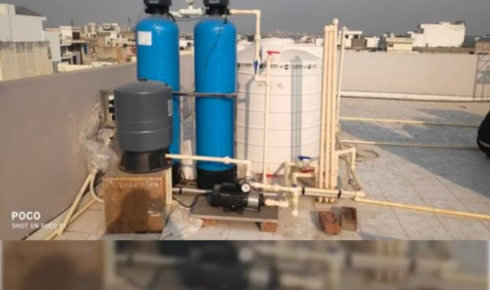
For those who want to tackle both hardness and other impurities (like iron or sulfur), combo systems are worth looking into. They’re more expensive upfront but provide comprehensive water treatment for your whole home.
Every home is different. That’s why proper testing and understanding your goals—cleaner clothes? Better water taste? Appliance protection?—will lead you to the right fix.
Don’t Wait Until the Dishwasher Dies
Hard water damage isn’t dramatic. It’s slow. It creeps in over months and years. But when your water heater gives out or your washing machine suddenly needs a $300 repair, it becomes real fast.
If your water is leaving streaks, stains, or just making life feel harder than it needs to be, it’s worth looking into solutions now rather than later.
Because once you fix it? You’ll notice. Your water will feel better. Your dishes will look better. Even your showers might start to feel a little more spa-like.
Final Thoughts: Clear Water, Clear Conscience
Hard water might seem like one of those “meh, I’ll deal with it later” problems—but later usually means bigger problems, more money, and way more hassle.