You notice it in little ways at first. Soap refuses to lather properly, white marks appear on the bathroom tap, and freshly washed glasses come out of the dishwasher looking less than spotless. Perhaps your towels feel stiff even after a normal wash. None of these problems necessarily means something is wrong with your plumbing, but they may point to one common issue: hard water.
Hard water is widespread in many areas, and plenty of households live with it for years without realizing what causes those everyday annoyances. The good news is that once you understand what is happening, you can make practical choices about treatment without spending money on equipment you don’t need.
What Makes Water Hard?
Water becomes hard when it contains elevated levels of dissolved minerals, particularly calcium and magnesium. As rainwater moves through soil and rock, it can pick up these minerals before reaching groundwater supplies or entering a well. Municipal water can also be hard, depending on the local source.
These minerals are not automatically harmful. Calcium and magnesium occur naturally in drinking water, and hardness itself is generally considered more of a household comfort and maintenance issue than a health threat. However, mineral-rich water can affect cleaning, plumbing, and the performance of certain appliances.
The degree of hardness varies considerably from one location to another. That’s why a neighbor’s experience may be different from yours, even when both homes are in the same town. A water test can measure hardness and help you decide whether treatment is worthwhile.
The Everyday Signs You Shouldn’t Ignore
One of the most recognizable signs of hard water is hard water buildup around faucets, showerheads, and other surfaces exposed to water. As droplets evaporate, they can leave mineral deposits behind. Over time, these deposits may become stubborn and require more effort to remove.
You might also notice soap scum on shower doors, cloudy glassware, or white residue inside kettles and coffee makers. Laundry can feel rough, and cleaning products may seem less effective because minerals interfere with the way soap behaves. These issues can be frustrating, especially when you feel like you’re constantly wiping, scrubbing, or replacing something.
Appliances deserve attention, too. Mineral deposits can accumulate inside water heaters, dishwashers, and other equipment that regularly heats or uses water. The effects depend on the hardness level, temperature, water use, and appliance design. Not every home with hard water will experience serious equipment problems, but reducing excessive hardness may help limit scale formation.
If these signs keep returning despite regular cleaning, it may be time to check your water rather than reaching for another bottle of cleaning solution.
How Water Softening Works
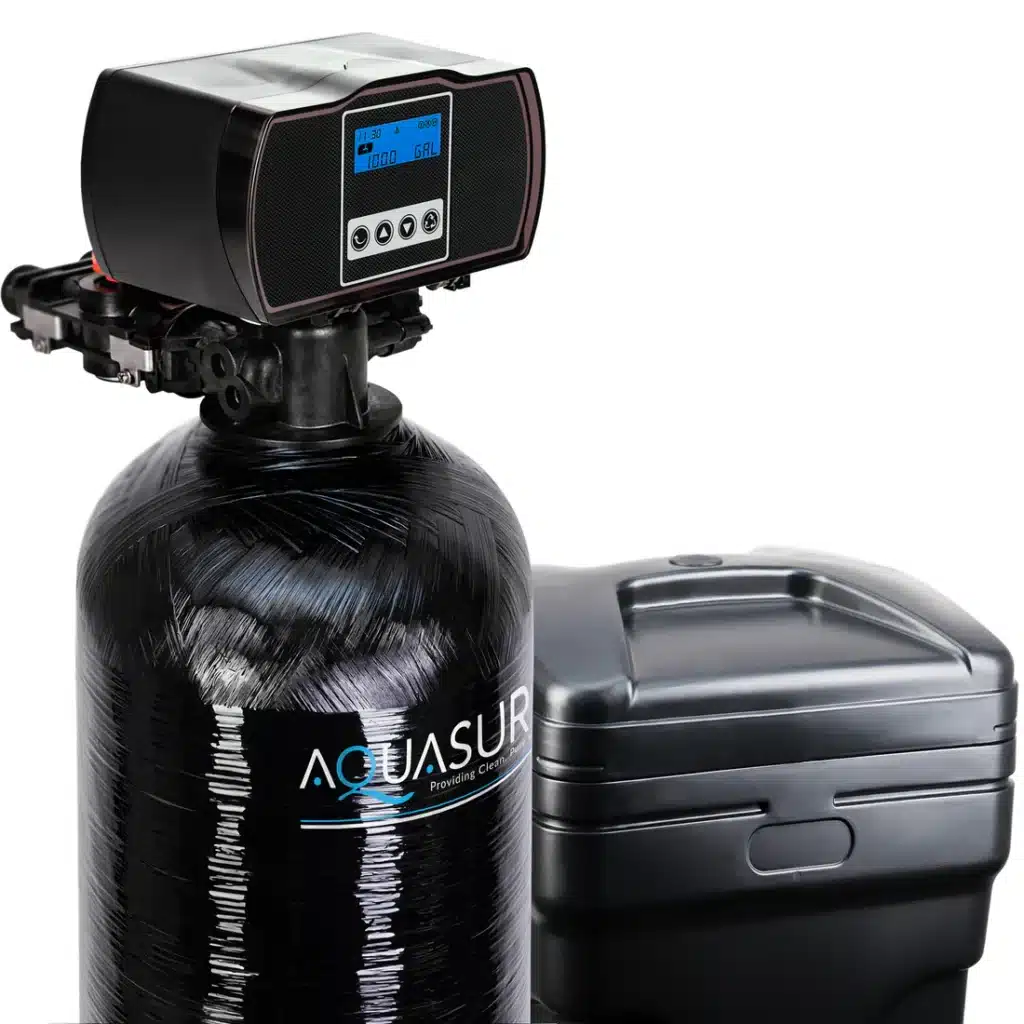
A traditional water softener commonly uses an ion-exchange process. Inside the unit, resin beads capture calcium and magnesium ions and exchange them for sodium or, in some systems, potassium ions. When the resin becomes saturated, the system regenerates so it can continue treating water.
For households with significant hardness, water softener systems can reduce mineral-related scale and make soap and detergent work more effectively. People often notice that showers are easier to clean, glassware develops fewer mineral spots, and laundry feels different after washing.
Still, a softener is not a universal water purifier. It is designed primarily to address hardness, not every possible contaminant. If your water also contains concerns such as arsenic, bacteria, nitrate, or other unwanted substances, separate testing and appropriate treatment may be necessary.
Some homeowners choose a whole-house softener because hardness affects several rooms and appliances. Others may have a smaller property or a more limited concern and prefer a different setup. The best choice depends on the test results, household water use, installation space, and maintenance budget.
Does Hard Water Affect Your Skin and Hair?
Many people notice that their skin feels tight after showering or that their hair seems difficult to rinse. Hard water buildup can leave mineral residues that interact with soap and personal-care products, which may contribute to an uncomfortable washing experience for some people.
However, skin reactions have several possible causes. Dry skin can be linked to cold weather, frequent hot showers, harsh cleansers, eczema, and other factors. Hard water may contribute to discomfort for some individuals, but it is not the only explanation, and softening water is not a guaranteed treatment for a skin condition.
A few simple changes may help while you investigate the cause. Try shorter, lukewarm showers and a gentle cleanser that does not leave your skin feeling stripped. Applying a fragrance-free moisturizer after bathing can also help retain moisture. If irritation persists, becomes severe, or is accompanied by a rash, consider speaking with a healthcare professional.
If you suspect that your water is affecting your routine, testing its hardness can help you decide whether a softener is worth exploring. That is a more useful starting point than assuming every skin or hair problem comes from the tap.
Choosing the Right Treatment for Your Household
Before purchasing a system, establish how hard your water actually is. A water-quality test can help confirm the mineral level and reveal whether other characteristics also need attention. If you use a private well, broader testing may be appropriate because well water can vary with local geology and environmental conditions.
Next, consider where you notice the problem. If scale appears throughout the home, a whole-house softener may be worth considering. If your main concern is drinking-water taste, a softener alone may not solve it. Depending on the situation, a separate drinking-water filter could be more suitable.
Look beyond the advertised purchase price. Ask about installation, salt or potassium requirements, regeneration settings, water use, and ongoing servicing. Some softeners use more water during regeneration than others, so efficiency is worth comparing. Also check whether the equipment is correctly sized for your household; a unit that is too small may regenerate too often, while an unnecessarily large one may add cost without providing meaningful benefits.
Remember that softened water can contain more sodium, depending on the incoming hardness and the system’s operation. People who need to restrict sodium for medical reasons should discuss their water-treatment options with a healthcare professional and the installer. A separate unsoftened drinking-water tap may be appropriate in some homes.
Keep Maintenance Simple and Consistent
Like any household equipment, a water softener needs routine care. Salt-based systems usually require periodic checks of the brine tank and the correct type of salt. The tank should be kept in line with the manufacturer’s recommendations, and salt bridges or other maintenance issues should be addressed when they occur.
Follow the service schedule, monitor the system’s performance, and investigate if scale begins returning unexpectedly. A softener that is not regenerating properly may fail to reduce hardness as intended. Regular checks are usually easier and less expensive than waiting until the system stops working altogether.
A Practical Way Forward
Living with hard water can mean extra cleaning, mineral deposits, and small frustrations that add up over time. But you don’t have to guess your way toward a solution. Start by testing the water, understand what the results mean, and compare treatment options based on your household’s real needs.
A suitable softener can make daily cleaning easier and help reduce scale, but the most effective approach is one that fits your water quality, budget, and maintenance preferences. Once you know what you’re dealing with, those stubborn marks on the faucet become less of a mystery—and choosing what to do next becomes much simpler.