There’s something reassuring about knowing hot water will be ready the moment you turn the faucet. It’s one of those everyday comforts we rarely think about until it suddenly disappears. Whether it’s a warm shower before work, washing dishes after dinner, or tackling a mountain of laundry over the weekend, a dependable water heater quietly supports daily life without asking for much attention.
Because it works behind the scenes, many homeowners forget that a water heater is still a major mechanical system. Like every hardworking appliance, it eventually wears out. Knowing when to repair, when to replace, and how to choose the right system can save money, reduce stress, and make your home far more energy efficient.
Why Your Water Heater Deserves More Attention
Unlike appliances that only operate occasionally, a water heater is constantly working.
Even while everyone is asleep, it maintains water temperature so hot water is available whenever it’s needed. That continuous workload naturally creates wear on heating elements, thermostats, burners, valves, and other internal components.
Over time, sediment also begins collecting inside the tank. If left untreated, those mineral deposits reduce efficiency and force the system to consume more energy while producing less consistent performance.
Most homeowners don’t notice these gradual changes because they happen little by little. Then one day the hot water simply isn’t as reliable as it used to be.
The Small Warning Signs Matter
A water heater rarely stops working without giving advance notice.
You may notice hot water running out faster than before. The tank might make rumbling or popping noises during heating cycles. Water temperature may fluctuate unexpectedly, or rusty water may appear occasionally at the tap.
Some homeowners even discover small puddles around the base of the unit and assume they’re harmless.
These warning signs often indicate developing issues that deserve professional attention before they become larger and far more expensive repairs.
Acting early usually provides more repair options and helps avoid emergency replacement.
Choosing the Right System From the Beginning
Installing a water heater isn’t simply about replacing old equipment with something similar.
Today’s homeowners have more choices than ever before.
Traditional storage tank models remain popular because they’re affordable and familiar. Tankless systems provide continuous hot water while reducing standby energy loss. High-efficiency models offer improved insulation, faster recovery rates, and lower utility costs.
Selecting the right equipment depends on household size, daily water usage, available space, fuel source, and long-term operating costs.
Professional water heater installation ensures the equipment is properly matched to your home’s actual needs rather than simply installing the largest available model.
That thoughtful approach improves comfort while reducing unnecessary energy consumption.
Tank vs. Tankless: Which Is Better?
It’s one of the most common questions homeowners ask.
The honest answer is that neither system is automatically better than the other.
Storage tank water heaters are generally less expensive upfront and perform well for households with predictable hot water usage.
Tankless units heat water only when needed, making them highly efficient while providing an endless supply of hot water. However, installation costs can be higher depending on existing plumbing and gas or electrical systems.
The best solution depends entirely on your home’s unique requirements.
A professional evaluation usually produces better results than choosing equipment based solely on advertisements or online reviews.
Installation Quality Matters More Than Many Realize
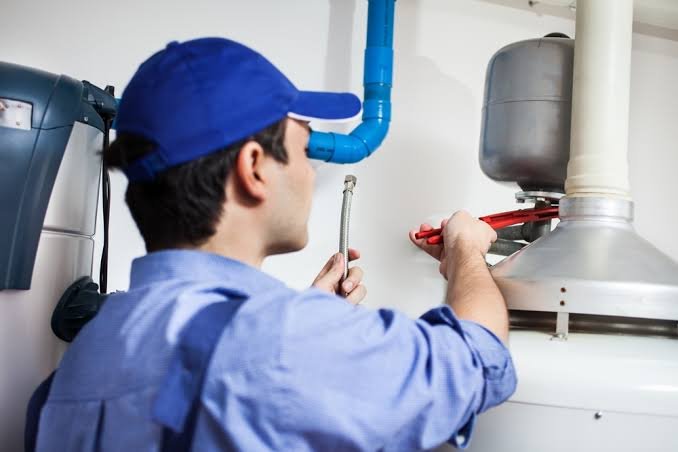
Even the highest-quality water heater won’t perform properly if installation isn’t done correctly.
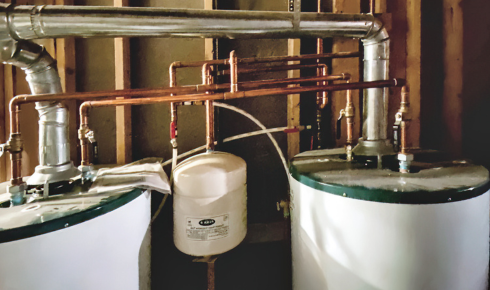
Gas lines, electrical wiring, venting systems, expansion tanks, pressure relief valves, drainage, and local plumbing codes all play important roles in system performance and safety.
Improper installation can reduce efficiency, shorten equipment life, increase operating costs, and even create safety concerns.
Working with experienced professionals helps ensure every component operates exactly as intended from the very beginning.
It’s an investment that often prevents years of unnecessary headaches.
Knowing When Replacement Makes Sense
Many homeowners continue repairing aging water heaters simply because the unit still works most of the time.
Sometimes that’s a perfectly reasonable decision.
Other times, repeated repairs become more expensive than replacing the equipment entirely.
Evaluating different replacement options allows homeowners to compare long-term operating costs instead of focusing only on today’s repair bill.
If the system is more than ten to fifteen years old, experiences frequent breakdowns, or shows signs of tank corrosion, replacement often provides greater long-term value.
Planning ahead also gives homeowners time to compare models rather than making rushed decisions during an emergency.
Looking Beyond the Water Heater
Hot water performance doesn’t depend solely on the appliance itself.
Water pressure, aging supply lines, leaking valves, pipe corrosion, and hidden plumbing problems can all affect how efficiently the system operates.
Comprehensive plumbing services examine the entire water delivery system rather than focusing on one appliance alone.
This broader approach often identifies underlying issues that would otherwise continue affecting performance, even after installing a new water heater.
Sometimes solving the bigger picture prevents future repair calls altogether.
Maintenance Is Still the Secret to Longevity
Installing a brand-new water heater doesn’t eliminate the need for maintenance.
Annual tank flushing helps remove sediment before it becomes a serious problem. Inspecting the anode rod, testing the pressure relief valve, checking thermostat settings, and monitoring for small leaks all contribute to longer equipment life.
These simple maintenance visits typically require very little time while significantly improving efficiency and reliability.
Many homeowners are surprised to learn that routine maintenance often adds several years to a water heater’s lifespan.
That’s an excellent return on a relatively small investment.
Saving Energy Without Sacrificing Comfort
Energy efficiency has become increasingly important as utility costs continue rising.
Modern water heaters lose less heat, recover faster, and operate more efficiently than many older systems. Combined with proper installation and regular maintenance, these improvements help reduce monthly operating costs without affecting comfort.
Even small reductions in energy consumption become meaningful over the course of ten or fifteen years.
Lower utility bills, fewer repairs, and improved reliability all contribute to the overall value of upgrading your system when the time is right.
Final Thoughts
A dependable water heater is one of those household essentials that’s easy to overlook because it works quietly behind the scenes every single day. Yet it supports countless daily routines that most families simply take for granted.
Choosing the right system, investing in quality installation, maintaining it properly, and recognizing when replacement becomes the smarter option all contribute to years of dependable performance.
Rather than waiting for an unexpected breakdown, homeowners who plan ahead often enjoy lower operating costs, improved efficiency, and far fewer stressful emergencies.
At the end of the day, a water heater isn’t just another appliance tucked away in a closet or garage. It’s an investment in comfort, convenience, and peace of mind—one that pays dividends every time hot water flows exactly when you need it.