Water has a way of becoming invisible when everything is working properly. In a large building, hundreds of people may use it every day without giving much thought to where it comes from, what is in it, or how it affects the building’s equipment.
Then something changes. Faucets develop mineral spots. Showers lose pressure. A coffee machine needs constant cleaning. A water heater becomes less efficient. Suddenly, water quality isn’t just a background detail anymore.
For larger properties and commercial operations, having the right water treatment strategy can help prevent these everyday frustrations. The key is understanding that different buildings have different needs.
Large Buildings Have Larger Water Demands
A single-family home and a large commercial property don’t use water in the same way.
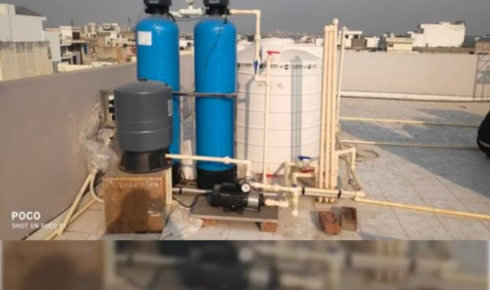
Consider hotels & apartment buildings. Water may be flowing through dozens or even hundreds of fixtures every day. Guests and residents expect showers, sinks, laundry facilities, kitchens, and other water-dependent systems to work reliably.
That level of demand makes system capacity especially important. A treatment system needs to handle periods of high usage rather than simply average daily consumption.
Morning hours can be particularly demanding. In a hotel, for example, many guests may shower and use bathroom fixtures around the same time. If treatment equipment isn’t properly sized, pressure and performance can become noticeable problems.
Water Quality Can Affect More Than Taste
When people hear “water treatment,” they often think about drinking water. That’s certainly important, but commercial water quality involves much more.
Hardness, sediment, chlorine, iron, sulfur, pH, and dissolved solids can all affect how water behaves throughout a building.
Hard water, for example, can leave mineral deposits on faucets and showerheads. Over time, those minerals may also accumulate inside water heaters and other equipment.
Sediment can create different problems, particularly when it enters valves, fixtures, or sensitive equipment.
The solution depends on the actual water chemistry. That’s why testing should come before choosing treatment equipment.
Why Carbon Filtration Is Commonly Used
Taste and odor are two water-quality concerns that people notice quickly. Nobody wants to serve coffee that tastes strange or provide drinking water with an unpleasant chlorine flavor.
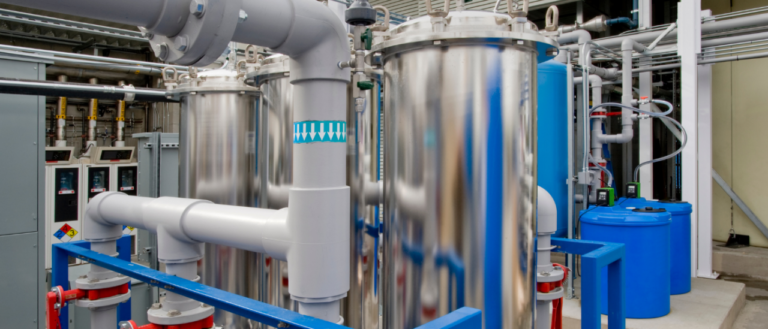
carbon filtration is commonly used to improve taste and odor and reduce certain chemicals from water, depending on the type and design of the filter.
Carbon filtration can be useful in offices, hospitality properties, restaurants, and other facilities where drinking water quality matters.
However, carbon isn’t a universal solution. It doesn’t address every contaminant, and it isn’t designed to soften hard water. Choosing the appropriate filter media requires understanding what is actually present in the water.
Manufacturing Facilities Have Different Priorities
A factory or production facility may have water requirements that are completely different from a hotel.
For industrial & manufacturing facilities, water may be part of a production process rather than simply something employees drink or use for washing.
Certain operations may require consistent water chemistry. Others may need protection against scale, sediment, or specific dissolved substances.
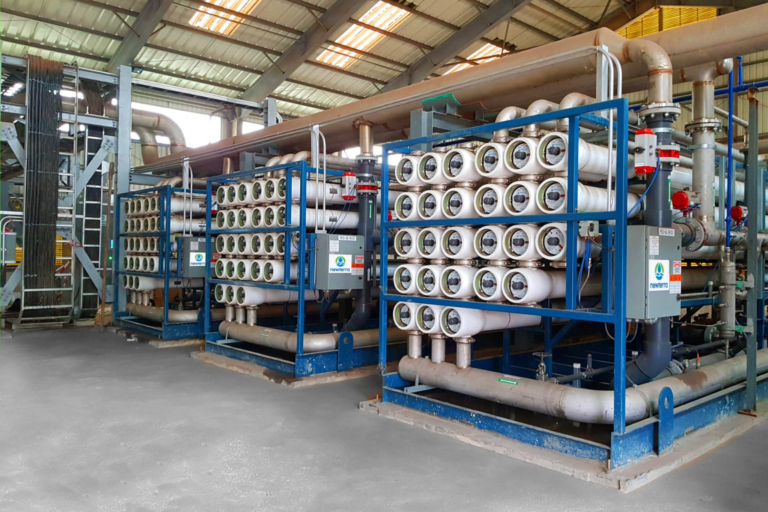
In these environments, even relatively small changes in water quality can affect processes or equipment. Depending on the application, facilities may consider filtration, softening, reverse osmosis, deionization, ultraviolet treatment, or other specialized technologies.
The important point is that treatment should be designed around the process. A generic commercial filter may not be suitable for specialized industrial applications.
Start With a Professional Water Analysis
Before investing in equipment, test the water.
A comprehensive analysis can help identify hardness, pH, dissolved solids, sediment, iron, sulfur, chlorine, and other characteristics relevant to the facility.
Testing is especially valuable for larger properties because there may be several water-quality concerns happening at the same time.
For example, a building could have hard water and chlorine-related taste concerns. Installing a softener alone wouldn’t address everything. A combination of treatment technologies might be more appropriate.
Good system design starts with accurate information.
Protecting Plumbing and Equipment
Large buildings contain plenty of expensive water-using equipment. Water heaters, boilers, commercial dishwashers, ice machines, beverage equipment, laundry systems, and pumps can all be affected by water conditions.
Scale is one of the more common concerns. Hardness minerals can accumulate inside equipment and plumbing, potentially increasing maintenance requirements over time.
Water treatment can help manage certain conditions, although it should never replace routine maintenance.
Regular inspections, cleaning, filter changes, and manufacturer-recommended servicing remain important. Treatment works best as part of a broader maintenance plan.
Flow Rate Should Never Be an Afterthought
One of the easiest mistakes is focusing on the filtration capacity without considering actual water flow.
A large apartment property might experience significant demand during the morning and evening. A manufacturing facility may have sudden increases during particular production cycles.
The treatment system needs to provide adequate performance at those peak periods.
When evaluating equipment, consider building size, number of occupants, fixtures, peak flow, pressure, daily consumption, and the intended use of treated water.
Oversizing can unnecessarily increase costs, while undersizing can create operational problems. Finding the right balance is important.
Maintenance Keeps Large Systems Working
Commercial treatment systems don’t run forever without attention.
Filters eventually need replacement. Softening equipment requires service. Membranes wear out. UV lamps have operating limits. Valves and controls may need inspection.
For a large property, keeping track of maintenance can become surprisingly important.
A simple service log can record filter changes, inspections, water testing, and component replacements. Building managers can also establish reminders so routine tasks aren’t forgotten during busy periods.
It’s not glamorous work, but it can prevent bigger headaches later.
Think About Long-Term Operating Costs
The purchase price of treatment equipment is only one part of the investment.
Property owners and facility managers should consider replacement filters, electricity, salt, wastewater, professional servicing, spare parts, and other operating expenses.
A system that appears inexpensive initially may become costly if components need frequent replacement.
Before purchasing, ask about expected maintenance intervals and ongoing costs. A clear understanding of ownership expenses makes budgeting easier and can help compare different treatment approaches fairly.
Building a Smarter Water Treatment Strategy
There isn’t one perfect treatment system for every commercial property.
A hotel may prioritize taste, odor, hardness control, and guest comfort. An apartment building may focus on consistent whole-building water quality and protecting plumbing. A manufacturing facility may need highly specialized process-water treatment.
The smartest approach is to start with the water and work outward from there.
Test the supply. Understand peak demand. Identify the problems that actually matter. Then select treatment technologies that address those concerns without adding unnecessary complexity.
Good water treatment doesn’t need to attract attention. In fact, the ideal system is often the one nobody notices because everything simply works.
For large buildings and busy facilities, that quiet reliability can make a real difference—one faucet, machine, shower, and production process at a time.