

We take water for granted — until we don’t. A sudden boil notice, an off-grid camping trip, or even just a curiosity about self-sufficiency can send you down the rabbit hole of clean water. And somewhere along the way, you might start thinking, “Can I really filter my own water without some fancy, overpriced machine?”
Spoiler: You absolutely can.
And not in a doomsday-prepper, “build a bunker” sort of way — but in a grounded, practical, everyday kind of way. Whether you’re building a basic homemade water filter project with your kids or learning survival skills just in case, this stuff is worth knowing.
The Basics: Why Filter in the First Place?
Even water that looks clean can hide all sorts of unwelcome guests — sediment, bacteria, chlorine, pesticides, you name it. Municipal water is usually treated (sometimes too heavily), and well water can be crystal clear… or contain iron, sulfur, or even fecal coliforms.
Filtering water, especially at the point-of-use, adds that extra layer of safety. And doing it yourself? That adds a whole lot of confidence.
The “At Home” Setup: Simple, Straightforward, Effective
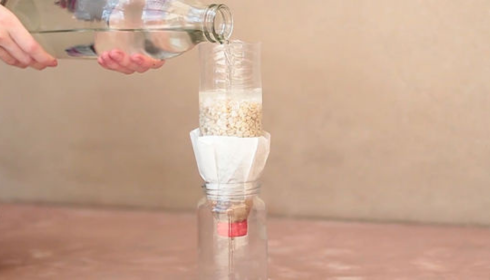
The good news? Filtering water at home doesn’t mean reinventing the wheel. You can build a solid gravity-fed filter using materials you probably already have.
Start with an empty bottle or food-grade bucket. Layer it with:
- Cloth or cotton at the bottom for fine particles
- Activated charcoal (for taste, odor, and some chemicals)
- Sand, both fine and coarse (for cloudiness and debris)
- Gravel or small stones (to keep everything in place)
Cut off the bottom of the bottle, flip it upside down, pour your water in at the top, and collect it at the other end. Let gravity work its magic.
This simple process to filter water at home works best on tap or well water that needs a little polish, not full-scale disinfection. And while it won’t kill bacteria or viruses, it’ll dramatically improve clarity and taste.
So… What About the Wild?
Let’s talk survival mode.
Maybe you’re camping deep in the woods, and that crystal-clear stream is your only option. Or maybe you’re traveling abroad, far from any purified water source. Either way, you’ll want to know how to filter water in the wild — no plug sockets, no gadgets.
You’ll need to get creative but stay grounded. Here’s how:
- Find the cleanest source you can. Moving water is better than still.
- Improvise a filter. Use a sock, shirt, or bandana filled with sand, charcoal from your campfire (rinsed and crushed), and some gravel or grass.
- Filter once, filter again. Pass it through multiple times if needed.
- Boil it! This is non-negotiable unless you have iodine tablets or a UV pen.
- Let it cool — then drink. Slowly. And appreciate every drop.
You’re not aiming for perfection here — you’re aiming for better. A decent filter can remove grit, bugs, and weird tastes. Boiling finishes the job.
Why It Matters
Here’s the thing: clean water isn’t just about survival. It’s about control. It’s about understanding what you’re putting in your body. And once you’ve successfully built a homemade water filter project, it starts to click — how something so vital can be stripped down to a few clever layers and a bit of gravity.
It’s practical knowledge that’s surprisingly empowering. Plus, it’s a killer science experiment if you’ve got kids (or just enjoy hands-on learning).
A Few Notes from the Field
- Activated charcoal matters. If you can, get the good stuff — not the brittle stuff from the BBQ aisle.
- Rinse your materials before assembling. Sand and charcoal especially. No one wants muddy “filtered” water.
- Replace your layers regularly. Bacteria and buildup can sneak in over time.
- Don’t rely on filters alone. Boiling or chemical treatment is still necessary if you suspect serious contamination.
- Trust your senses. If water smells weird after filtering — don’t drink it.
What You Gain
This isn’t just about water. It’s about the mindset that comes with solving problems yourself. In a world full of automated solutions, there’s something beautifully old-school about making something with your hands and seeing it work.
And when you take that first sip from something you filtered yourself — whether from a DIY setup at home or a makeshift filter in the wild — you’ll feel it. That little nod of pride. That quiet, confident I did this.
Closing Thoughts
Whether you’re prepping for emergencies, teaching your kids something useful, or just sick of your tap water tasting like a pool, making your own filter is a rewarding way to get back to basics.