Water shouldn’t need a squeeze of lemon to make it enjoyable. Yet plenty of people find themselves adding flavoring, reaching for bottled water, or avoiding their kitchen faucet altogether because something about the taste doesn’t quite appeal to them.
It’s easy to dismiss these habits as personal preferences, but they can also encourage homeowners to take a closer look at their water supply.
For households seeking a convenient alternative to bottled water, drinking water filtration with RO offers a practical way to address specific dissolved contaminants and improve drinking water characteristics.
Reverse osmosis has become a familiar option for residential water treatment, and for good reason. It provides access to treated water directly from home. Still, understanding the technology before investing in it can help you get more value from your purchase.
Why Ordinary Tap Water Sometimes Falls Short
Water characteristics depend on several factors, including the original supply source, treatment methods, and the condition of local distribution infrastructure.
Some households experience noticeable mineral flavors, while others dislike the chemical aftertaste associated with certain disinfectants.
Interestingly, water doesn’t have to look unusual to contain dissolved substances. A perfectly clear glass may contain minerals or contaminants that aren’t visible to the naked eye.
That doesn’t automatically mean your tap water is unsafe. However, understanding its composition can help you determine whether additional treatment would be beneficial.
Start by reviewing your local water quality report or arranging appropriate laboratory testing.
Knowing what you’re dealing with makes much more sense than buying filtration equipment based entirely on someone else’s experience.
A Look Inside Modern Reverse Osmosis Technology
Reverse osmosis might sound like something you’d encounter in a science classroom, but its basic principle is fairly easy to understand.
Modern multi-stage reverse osmosis systems combine different filtration processes to address specific water quality concerns while protecting sensitive treatment components.
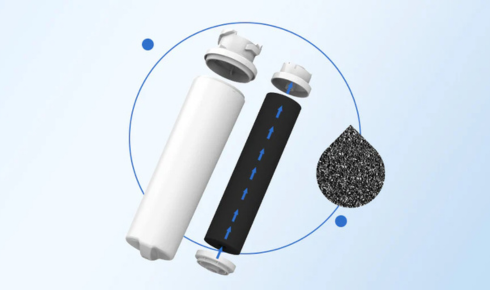
A typical arrangement includes a sediment filter that captures suspended particles, followed by carbon filtration to reduce certain chemical compounds.
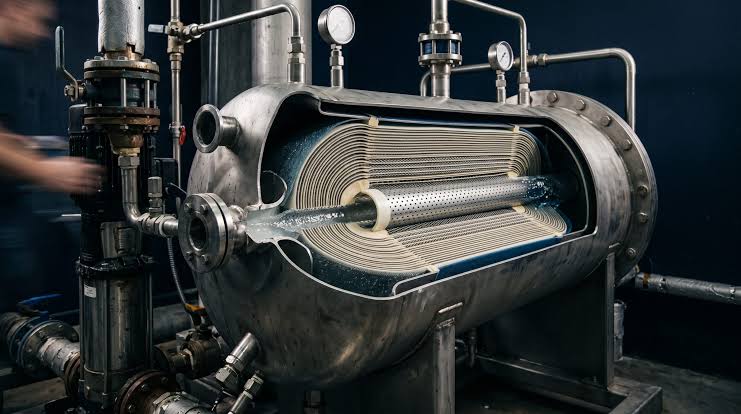
Water then passes through a semipermeable membrane under pressure, separating it from various dissolved substances. A final polishing filter may help refine the taste before the treated water reaches the faucet.
Not every system follows the same arrangement, and having additional filtration stages doesn’t necessarily mean superior results.
Instead, look for independently verified performance claims that match your particular water quality concerns. The effectiveness of each treatment stage matters considerably more than the number printed on the packaging.
Rediscovering the Simple Pleasure of Drinking Water
Ever noticed how refreshing water tastes when you’re genuinely thirsty? There’s something satisfying about it, especially after spending time outdoors or completing a particularly busy afternoon.
Having better-tasting drinking water readily available can make everyday hydration more enjoyable and encourage household members to reach for water instead of flavored beverages.
Filtered water can also influence the taste of homemade soups, tea, coffee, and other recipes.
For households accustomed to buying bottled water, installing a suitable treatment system may reduce frequent shopping trips and dependence on disposable plastic containers.
Taste preferences vary, naturally. Some people enjoy water with a noticeable mineral content, while others prefer a more neutral flavor.
Certain reverse osmosis units offer remineralization options for those who prefer some minerals in their treated water.
Understanding the Difference Between Filtration and Softening
Water filtration and softening are sometimes discussed as though they’re interchangeable. In reality, they address different concerns.
A traditional water softener reduces hardness minerals through ion exchange, helping limit scale accumulation throughout connected plumbing and appliances.
Reverse osmosis reduces various dissolved substances in the water passing through its membrane.
Most residential units are designed specifically for drinking and cooking water rather than treating the entire property’s supply.
If you’re experiencing mineral deposits around bathroom fixtures alongside drinking water concerns, separate treatment technologies may be appropriate.
Understanding this distinction helps homeowners avoid unnecessary expenses and choose equipment based on realistic expectations.
What to Consider Before Installing a System
An under-sink filtration unit can be wonderfully convenient, provided it suits your kitchen layout and household requirements.
Check available cabinet space, water pressure, drainage arrangements, and daily drinking water consumption before selecting equipment.
Traditional models often include storage tanks, whereas tankless systems may offer a more compact installation.
Water efficiency deserves attention, too. Reverse osmosis generates a concentrated wastewater stream, and different units use different amounts of water during treatment.
Compare installation expenses, replacement cartridge costs, and long-term servicing requirements.
A system that initially appears inexpensive may become less attractive if replacement components are costly or difficult to obtain.
Spending some time comparing these practical details can prevent frustration later.
Making Maintenance a Simple Household Habit
Once filtration equipment disappears beneath the kitchen sink, it’s surprisingly easy to forget about it.
However, filters eventually reach their treatment capacity, membranes may become fouled, and certain components require periodic cleaning or sanitization.
Follow manufacturer recommendations and keep replacement dates recorded somewhere convenient.
Don’t rely entirely on water taste to determine whether the equipment is working properly. Some contaminants cannot be detected through taste, smell, or appearance.
Appropriate follow-up testing helps verify treatment performance, particularly when specific health-related contaminants are a concern.
Regular maintenance doesn’t need to be complicated, but it does need to be consistent.
A Small Home Improvement With Everyday Value
Not every worthwhile home improvement involves expensive renovations or dramatic visual changes.
Sometimes, the most appreciated upgrades are those that quietly improve familiar routines.
A suitable drinking water system can offer convenience, reduce certain water quality concerns, and make everyday activities more enjoyable.
Start with reliable testing, choose dependable equipment, and maintain it properly.
After all, water is something your household depends on every single day. Giving its quality a little extra attention is a practical investment that can continue delivering benefits long after installation.