Most of us don’t give much thought to what flows through our taps until something changes. Perhaps the dishwasher starts leaving spots on glasses, the bathroom fixtures develop stubborn white deposits, or the morning coffee suddenly tastes a little different.
These seemingly minor inconveniences can reveal quite a bit about household water quality.
For homeowners across Vancouver Island, understanding the characteristics of their water supply can make everyday maintenance easier and help prevent unnecessary spending on treatment equipment.
Water problems aren’t always complicated, although they can certainly feel that way when you’re unsure where to begin. Learning to recognize the warning signs, understand naturally occurring minerals, and arrange appropriate testing can make the whole process considerably less intimidating.
Understanding the Minerals Naturally Found in Water
As water travels through soil and rock, it can pick up naturally occurring substances along the way. Some influence its taste, while others affect how it interacts with household plumbing and cleaning products.
Dissolved minerals like calcium and magnesium are primarily responsible for water hardness. Although these minerals aren’t generally considered harmful at typical drinking water concentrations, excessive hardness can create noticeable household inconveniences.
When hard water is heated, mineral deposits may accumulate inside kettles, water heaters, and other appliances.
Soap may also lather less effectively, meaning you might find yourself using more detergent than necessary.
Hardness levels can vary between properties, depending on their water sources and local geological conditions.
A properly selected water softener can help manage excessive hardness, although not every household needs one. Testing helps determine whether softening would deliver meaningful benefits.
Recognizing the Early Signs of Water Quality Problems
Sometimes, your home provides surprisingly useful clues about what’s happening within its water supply.
White deposits around faucets, reddish stains in bathroom sinks, and persistent cloudiness are all worth investigating.
When identifying residential water problems, pay attention to where and when these symptoms occur. Does discolouration affect every faucet, or only one? Is an unpleasant smell noticeable in both hot and cold water?
These details can help narrow down potential causes.
For instance, an issue affecting only hot water might involve the water heater. Problems occurring throughout the house could originate from the incoming supply or shared treatment equipment.
Reduced water flow may also result from mineral accumulation, clogged filters, or other plumbing restrictions.
Keeping track of these observations can make conversations with water equipment specialists and plumbers much more productive.
Why Water Testing Is Worth the Effort
It’s tempting to assume that water is fine simply because it looks clear and tastes pleasant. Unfortunately, certain potentially harmful substances provide no noticeable warning signs.
Arranging water testing for common water issues helps homeowners understand their supply before deciding whether treatment is necessary.
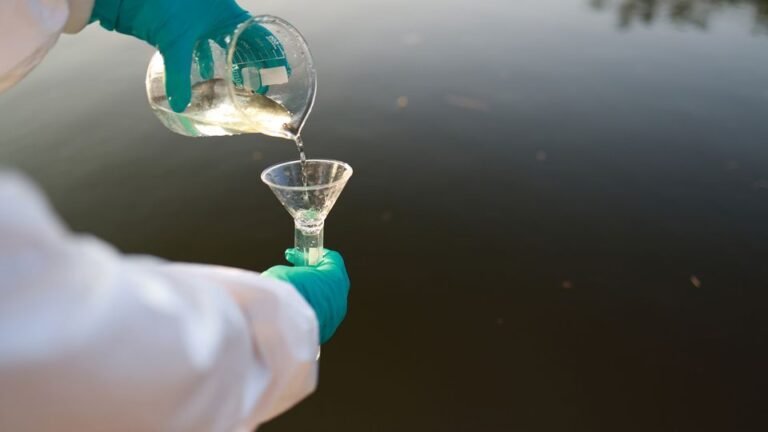
Basic screening may provide information about hardness, pH, and particular minerals. Accredited laboratory testing can investigate microbial contamination, nitrates, and other specific concerns.
Private well owners should arrange regular testing, particularly following flooding, well repairs, or unexpected changes in water characteristics.
Households receiving municipal water can review information published by their local water supplier and investigate property-specific concerns when appropriate.
Reliable test results remove much of the uncertainty surrounding equipment selection. Instead of guessing which filter might work, you’re choosing treatment based on evidence.
Not Every Mineral Requires Removal
There’s a common misconception that the best drinking water must be completely free of minerals. That’s not necessarily true.
Naturally occurring minerals can influence water’s taste, and their presence doesn’t automatically indicate poor quality.
The important consideration is whether particular substances occur at concentrations that create health concerns, affect household equipment, or make everyday water use unpleasant.
Iron, for example, may contribute to reddish staining and metallic tastes. Manganese can cause darker deposits under certain conditions.
Different substances require different treatment approaches.
Removing everything simply for the sake of it may introduce unnecessary equipment costs and maintenance responsibilities.
A more sensible approach involves addressing specific concerns while preserving the characteristics of water that already meet your household’s needs.
Matching Water Treatment Equipment to the Right Problem
Water treatment products perform different functions, even though they’re often grouped together in catalogues and advertisements.
Traditional softeners reduce hardness minerals through ion exchange. Sediment filters capture suspended particles, while activated carbon filtration can help address certain chemical tastes and odours.
Reverse osmosis technology can reduce various dissolved substances, depending on the equipment’s verified capabilities.
Ultraviolet disinfection may be suitable for addressing microbial concerns when properly designed and maintained.
The appropriate solution depends on your water test results, household consumption, plumbing arrangements, and treatment objectives.
Before purchasing equipment, check its verified performance, maintenance requirements, and compatibility with your existing system.
Keeping an Eye on Changes Over Time
Water quality isn’t necessarily constant throughout the year. Seasonal weather, groundwater fluctuations, plumbing deterioration, and equipment conditions can influence household supplies.
For Vancouver Island residents relying on private wells, monitoring changes is particularly worthwhile.
Keep previous laboratory results, record filter replacement dates, and investigate unusual changes rather than dismissing them.
If contamination is suspected, use a safe alternative drinking water supply and seek guidance from your local health authority.
A Little Understanding Goes a Long Way
Managing household water quality doesn’t require becoming an expert in chemistry. It begins with paying attention to everyday changes, asking sensible questions, and obtaining reliable information.
Sometimes, the solution is as straightforward as replacing a neglected filter. Other circumstances require specialized treatment equipment.
Whatever your situation, understanding what’s in your water helps you make decisions with greater confidence.
And when those decisions result in fewer stubborn deposits, more enjoyable drinking water, and easier household maintenance, the benefits become part of everyday life. Small improvements, perhaps, but ones that are genuinely worth appreciating.