Water is something we use constantly without giving it much thought. We drink it, cook with it, wash dishes in it, shower in it, and run it through appliances every day. It becomes noticeable, though, when something changes — a strange taste, mineral spots around the faucet, an unpleasant odor, or water that simply doesn’t seem as refreshing as it should.
That’s usually when homeowners start looking into filtration.
And with so many options available, it’s easy to get overwhelmed. Whole-house systems, under-sink filters, reverse osmosis, carbon cartridges, softeners… the list goes on.
The good news? Choosing the right system doesn’t have to be complicated. It starts with understanding your water and what you actually want to improve.
Begin With a Water Test
Before buying any equipment, find out what’s in your water.
Water can contain minerals, sediment, chlorine, iron, sulfur, and other substances depending on its source. Some concerns are easy to notice, while others aren’t visible at all.
A water test gives you a better starting point.
This matters because different treatment technologies handle different problems. A carbon filter may be excellent for chlorine and taste, while a water softener is designed for hardness. Reverse osmosis can reduce many dissolved substances, but it isn’t necessarily needed in every household.
In short, don’t buy a solution before identifying the problem.
What Does “99%” Really Mean?
Water filtration advertisements often feature impressive numbers. You might see claims that a particular system can remove up to 99% of contaminants.
That sounds reassuring, but context matters.
No single system should be assumed to remove 99% of everything that could possibly be in water. Performance depends on the specific contaminant, filter or membrane, incoming water quality, pressure, flow rate, and system design.
If a particular contaminant concerns you, look for performance information specifically addressing that substance.
A good water-treatment professional should be able to explain what a system is designed to reduce rather than simply pointing to a large percentage on a brochure.
When Whole-Home Filtration Makes Sense
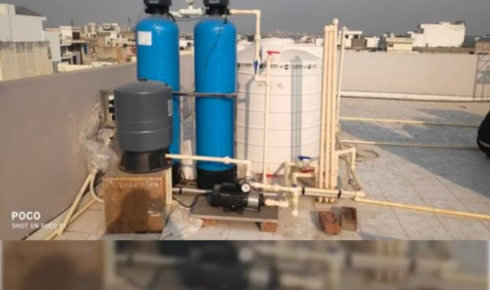
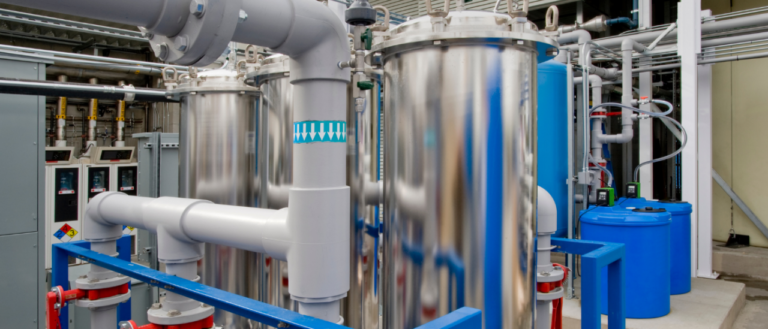
For households dealing with water-quality concerns throughout the property, whole home filtration systems can offer a practical solution.
These systems are installed where water enters the home, allowing treated water to travel through the plumbing to different fixtures.
That means the benefits aren’t limited to the kitchen.
Water used for showers, laundry, cleaning, and appliances can also pass through the treatment equipment. Depending on the system, whole-home filtration may address sediment, chlorine, taste, odor, or other specific concerns.
However, whole-house filtration isn’t automatically the right answer for every problem.
Hard water, for example, generally calls for water-softening technology rather than ordinary filtration. Knowing the difference can save you money and frustration.
Think About the Kitchen Separately
Sometimes the main concern isn’t the entire house.
Maybe your shower water is fine, but you don’t like the taste of your kitchen tap. Or perhaps you want additional treatment specifically for water used for drinking and cooking.
That’s where under-the-sink drinking water systems can be particularly useful.
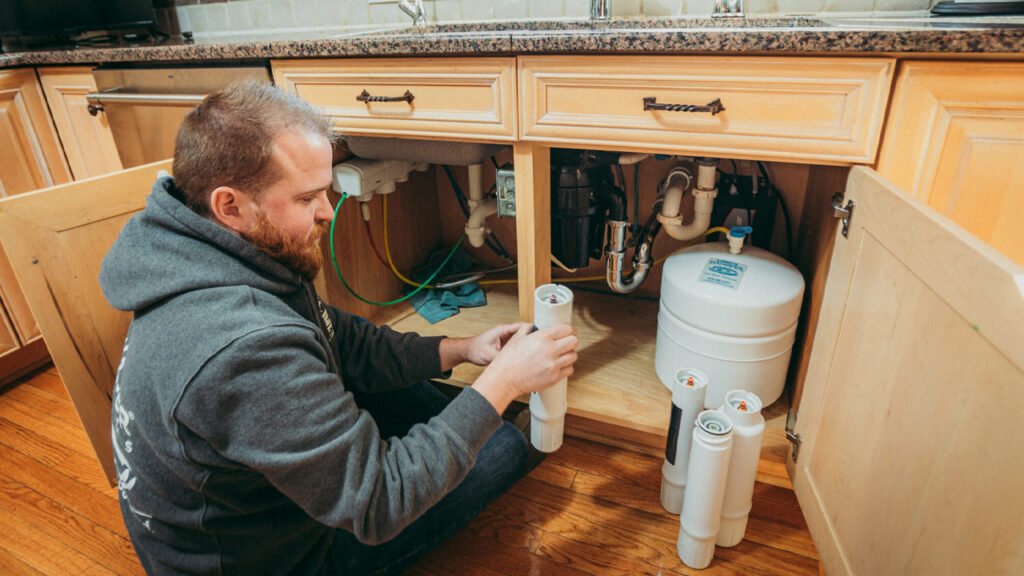
Installed beneath the kitchen counter, these systems treat water at the point where you use it most for consumption. Depending on the design, they may use carbon filtration, reverse osmosis, or multiple treatment stages.
They’re often a good option for homeowners who want treated drinking water without installing a large whole-house system.
It’s a more targeted approach, and sometimes that’s exactly what you need.
Carbon Filtration and Taste
Carbon filtration is one of the most familiar forms of household water treatment, and for good reason.
Activated carbon can reduce chlorine and certain compounds associated with unpleasant tastes and odors. For households whose primary concern is how tap water tastes or smells, carbon filtration may provide a noticeable improvement.
The key is choosing a cartridge designed for your particular water conditions.
Not all carbon filters are identical. Capacity, contact time, flow rate, and filter media can all affect performance.
And, naturally, filters eventually need replacing. A cartridge that’s far beyond its service life isn’t going to perform as well as a fresh one.
Where Reverse Osmosis Fits
Reverse osmosis is often selected when homeowners want more extensive treatment for drinking and cooking water.
The process uses pressure to move water through a semi-permeable membrane. Many dissolved substances can be reduced during the process.
RO systems commonly include pre-filters and post-filters as well. The pre-filters can protect the membrane, while the post-filter may help improve the final taste.
But RO has its own considerations, including maintenance, membrane replacement, water pressure requirements, and wastewater.
It’s an excellent technology when matched to the right application. It just shouldn’t be installed because the words “reverse osmosis” sound impressive.
Don’t Forget About Hard Water
Hard water is a completely different issue from many filtration concerns.
It contains minerals such as calcium and magnesium. These minerals aren’t necessarily dangerous, but they can cause scale buildup on faucets, showerheads, water heaters, and appliances.
If your primary complaint is white mineral deposits or soap that doesn’t lather well, you may need a water softener rather than a conventional filter.
Some homes use both technologies — filtration for particular water-quality concerns and softening for hardness.
Again, testing helps determine what makes sense.
Installation Can Make or Break Performance
Even quality equipment can disappoint when it’s installed poorly.
A proper installation needs to account for water pressure, flow requirements, plumbing connections, drainage, available space, and the manufacturer’s specifications.
This is particularly important for systems installed under kitchen counters, where space can be tight and plumbing connections can get complicated surprisingly quickly.
Professional installation also gives you an opportunity to learn how the system works. Ask the installer how often filters should be replaced and what signs indicate that service may be needed.
Maintenance Is Part of the Investment
Water treatment equipment requires ongoing care.
Filters become saturated. Membranes eventually need replacement. Valves, tanks, and other components can wear over time.
Before purchasing, ask about long-term maintenance costs, filter availability, warranties, and service options.
A system that looks inexpensive at first may not remain inexpensive if replacement cartridges are difficult to find or costly.
Think beyond installation day.
Choosing With a Clear Head
The best water filtration system isn’t necessarily the biggest or most expensive one.
It’s the system that addresses the actual characteristics of your water and fits the way your household uses it.
Start with testing. Identify the concern. Decide whether you need whole-home treatment, point-of-use filtration, softening, reverse osmosis, or a combination.
Then compare equipment based on performance, maintenance, installation, and long-term value.
Good water treatment shouldn’t make your life more complicated. Ideally, it should do the opposite.
Once everything is properly installed and maintained, you shouldn’t have to think about it much at all. You simply turn on the faucet, fill your glass, take a sip — and get on with your day.