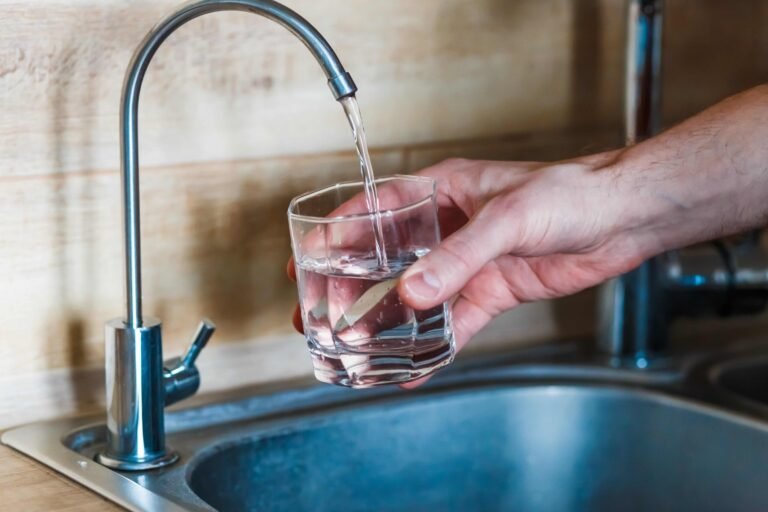
Water is something most people use every single day without thinking twice. We turn on the tap, fill a glass, cook meals, and trust that what comes out is safe. But behind that simple action is a complex system involving treatment facilities, underground pipes, filtration processes, and ongoing testing. As concerns about contaminants continue to grow, more homeowners are paying attention to what is actually in their water and how they can protect their families.
Clean water is not only about appearance. Clear water can still contain unwanted substances that are invisible to the eye. Learning about water quality helps people make smarter decisions instead of waiting until a problem becomes obvious.
Why Water Quality Matters More Than Ever
Water quality affects nearly every part of daily life. From drinking and cooking to bathing and cleaning, the water entering a home plays an important role in health and comfort. Changes in taste, odor, or appearance are often the first signs that something may need attention, but many water issues develop quietly.
Communities generally follow strict standards to keep public water supplies safe. However, water can pick up contaminants while traveling through aging pipes, plumbing systems, or private wells. This is why regular testing and awareness remain important, especially for households that rely on well water.
Many families are becoming more interested in understanding long-term exposure risks. Chemicals, minerals, bacteria, and other substances can influence water safety in different ways. A simple water test can provide valuable information and help homeowners choose the right treatment options.
Understanding Emerging Contaminants in Drinking Water
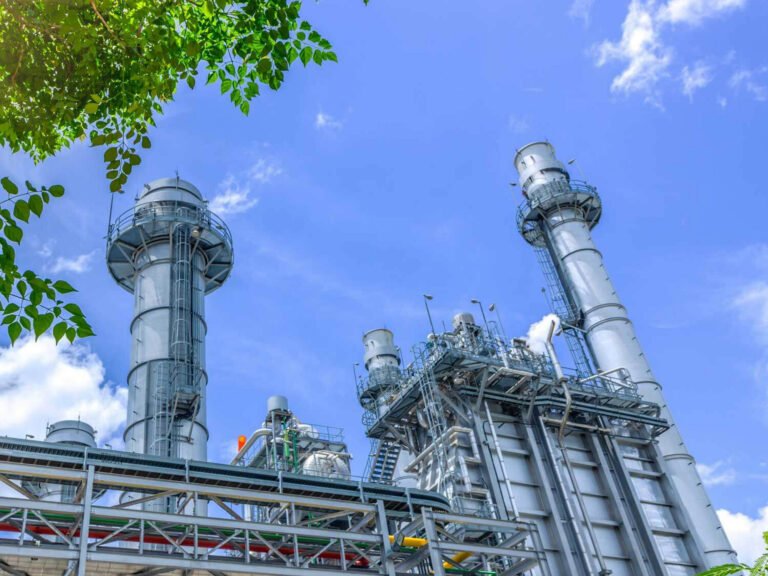
In recent years, researchers and environmental organizations have focused more attention on industrial chemicals that may remain in the environment for long periods. Among these concerns are pfoa and pfos, two types of synthetic compounds that belong to a larger group known as PFAS.
These substances have been used in various manufacturing applications because of their resistance to heat, stains, and water. Over time, concerns have increased because some PFAS compounds can persist in the environment and may enter water sources. Understanding where these chemicals come from and how they affect water supplies helps communities take preventive steps.
Homeowners do not need to panic, but they should stay informed. Testing options and advanced filtration technologies have improved significantly, making it easier to identify and address specific water concerns.
The Role of Filtration and Treatment Solutions
Every home has different water challenges. A family living in a city may deal with chlorine taste or aging infrastructure, while someone using a private well might experience hardness, sulfur odors, iron stains, or bacterial concerns. There is no single solution that works for every situation.
Water treatment systems are designed to target specific problems. Activated carbon filters, reverse osmosis systems, whole-house filtration units, and other technologies can help reduce unwanted substances and improve overall water quality.
The goal is not just better-tasting water. It is creating a reliable source of clean drinking water that families can feel confident using every day. A properly selected treatment system can improve taste, protect appliances, and provide peace of mind.
Before installing any system, homeowners should consider testing results rather than choosing a product based only on advertisements. Understanding the actual condition of the water makes it easier to select an effective solution.
Why Regular Water Testing Is a Smart Investment
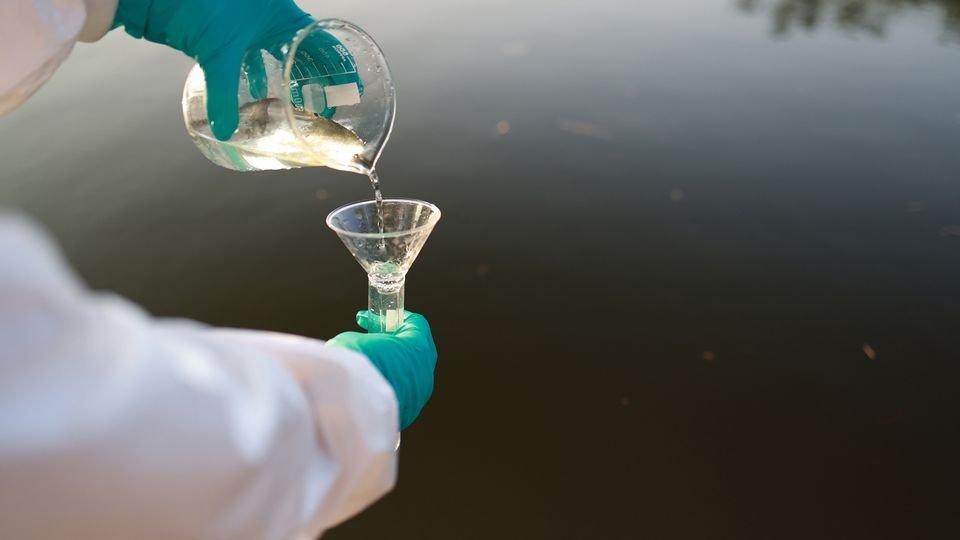
Many people only think about water testing when they notice a strange smell, cloudy appearance, or unusual taste. However, waiting for visible signs may not always be the best approach. Some contaminants have no color, smell, or noticeable effect.
Regular testing acts like a health check for your water supply. It helps identify changes over time and allows homeowners to respond early. This is especially important for families with private wells because groundwater conditions can change due to weather, nearby activities, or natural environmental factors.
Professional organizations, including the water quality association , provide education and resources that help consumers better understand treatment technologies and water safety practices. Working with trained professionals can make the testing and treatment process much easier.
Simple Steps to Improve Your Home’s Water Quality
Improving water quality does not always require complicated changes. Small steps can make a meaningful difference:
- Test your water periodically, especially if you use a private well.
- Replace filters according to manufacturer recommendations.
- Pay attention to changes in taste, smell, or appearance.
- Learn about local water reports and possible concerns.
- Choose certified treatment equipment when needed.
It is also helpful to maintain plumbing systems properly. Old pipes, leaks, and corrosion can affect water quality even when the original supply is treated.
A little attention today can prevent bigger problems later. Water is one of those things that is easy to overlook because it is always available, but it deserves the same care as other important parts of a home.
Building Confidence in Every Glass of Water
Water safety is not about fear; it is about making informed choices. Modern homes have access to better testing methods, improved filtration systems, and more information than ever before. By understanding potential contaminants and maintaining a proactive approach, homeowners can create healthier living environments.
The future of water quality depends on awareness, responsible management, and continued improvements in treatment technology. Whether you rely on a municipal supply or a private well, knowing what is in your water is the first step toward protecting your home.
After all, something as simple as a glass of water represents much more than hydration. It represents comfort, health, and trust in the place where we live.