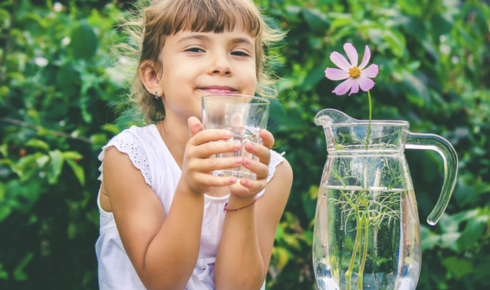
There’s a familiar scene in many homes. A child is running around, fully absorbed in play, and a parent calls out, “Drink some water.” The response? Usually a distracted “I’m not thirsty,” followed by a quick return to whatever game was happening.
It’s not that kids don’t need water—they do, probably more than we realize. It’s just that they don’t always think about it. Hydration, for them, isn’t a priority. It’s something that happens when someone reminds them, or when they suddenly feel it.
And that’s where the challenge begins. Not in forcing them to drink, but in helping them understand it in a way that sticks.
The Reality of How Kids Experience Thirst
Children live very much in the moment. If they’re playing, laughing, or exploring something new, everything else fades into the background—including thirst. By the time they notice it, they’re already a bit dehydrated.
That’s why introducing the idea of water for kids isn’t just about offering a glass now and then. It’s about building awareness slowly, in ways that feel natural rather than forced.
You might hand them a bottle before they head out to play, or encourage a few sips during a break. At first, it feels like you’re doing all the reminding. But over time, they begin to notice those cues themselves.
Making Water Part of Their Routine
If water feels like an interruption, kids will resist it. But if it becomes part of their normal rhythm, it blends in without much effort.
This is where small habits matter. A drink before leaving for school. A refill after coming back home. Water at the table, just like any other part of the meal.
These aren’t rules—they’re patterns. And patterns are easier for kids to follow because they don’t require constant decision-making.
It’s also helpful to make water accessible. A bottle they like, something easy to carry, maybe even a bit of ownership over it. These little details can make a bigger difference than we expect.
The Role of Understanding
Kids are curious. They want to know why things matter. And when it comes to hydration, that curiosity can be a powerful tool.
Simple conversations about how water helps their body—how it keeps them energized, helps them play longer, or even think better in school—can shape their perspective.
This is where hydration education quietly comes in. It doesn’t need to be formal or complicated. Just small explanations, repeated over time, until they begin to connect the dots.
When kids understand something, they’re more likely to take it seriously. Not perfectly, but enough to make a difference.
The Balance Between Encouragement and Pressure
It’s easy to overdo it. Constant reminders, pushing them to finish a full bottle, turning hydration into a task—it can backfire. Kids tend to resist things that feel forced.
Instead, gentle encouragement works better. Offering water regularly without making it a big deal. Letting them drink at their own pace. Keeping it consistent but relaxed.
The goal isn’t to control their intake—it’s to guide it.
How Much Is Enough?
This is where things get a bit tricky. There’s no single answer to how much water a child needs. It depends on their age, activity level, weather, and even what they’re eating.
Still, having a general sense of daily water intake can be helpful. Not as a strict target, but as a rough guide. Enough to ensure they’re not falling short without turning it into a numbers game.
Some days they’ll drink more, some days less. And that’s okay. What matters is the overall pattern, not perfection.
The Little Mistakes That Add Up
Sometimes, without realizing it, we make hydration harder than it needs to be. Offering sugary drinks too often. Treating water as the “boring” option. Forgetting to model good habits ourselves.
Kids learn by watching. If they see adults reaching for water regularly, it becomes normal. If not, it feels optional.
It’s not about being perfect—it’s about being consistent enough for them to notice.
A Habit That Grows With Them
What’s interesting about hydration is how early habits tend to carry forward. A child who grows up seeing water as a normal, everyday choice is more likely to continue that pattern later in life.
There’s no single moment where it all clicks. It’s gradual. A series of small actions that build over time.
And eventually, it becomes something they don’t even think about. They just do it.
Ending With a Simple Thought
Helping kids stay hydrated doesn’t have to be complicated. It’s not about strict rules or constant reminders. It’s about creating an environment where water feels natural, accessible, and understood.
Because in the end, it’s not just about getting them to drink more water today. It’s about shaping a habit that quietly supports their health for years to come.
And sometimes, that starts with something as simple as offering a glass—without making it a big deal.