Not every home transformation requires knocking down walls or living in a construction zone for three months. Sometimes, the most noticeable changes come from the details — the surfaces you walk on, the light that fills a room, the subtle textures behind your stove or sink.
If you’ve been feeling that quiet itch to refresh your space but aren’t ready for a full-scale renovation, you’re not alone. A lot of homeowners reach that point. The house is fine. It functions. But it doesn’t quite spark anything anymore.
That’s usually when it’s time to look down, look up, and look around.
Start From the Ground Up
Floors are easy to ignore — until they aren’t. Scratches accumulate. Colors fade. Trends shift. And suddenly the surface you see every day feels tired.
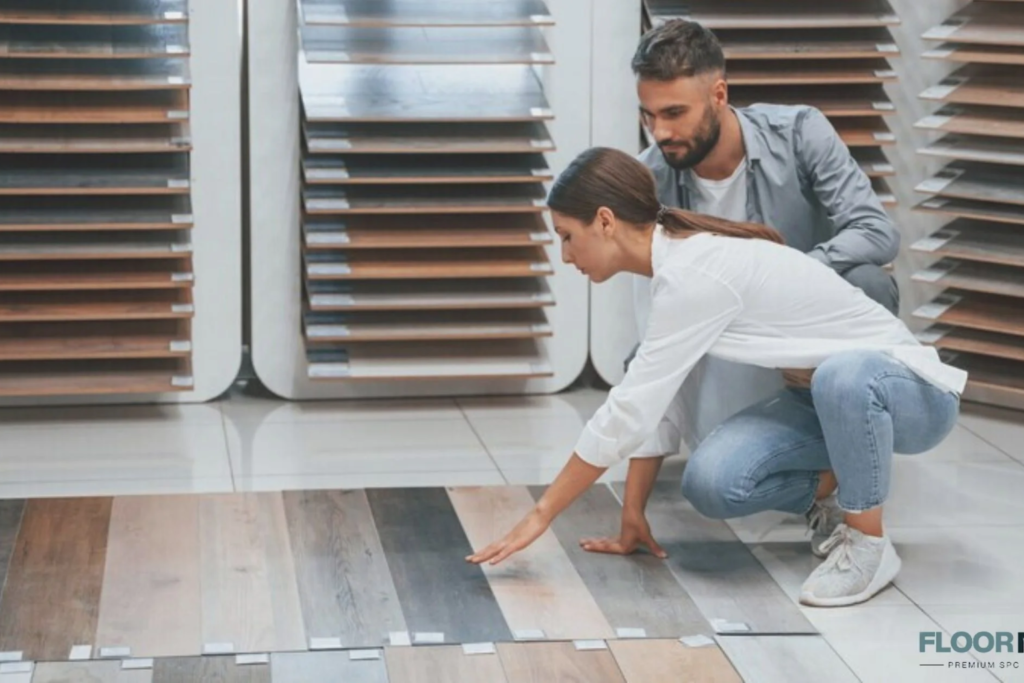
The right flooring solutions can completely reset the tone of a room. Lighter wood tones open up smaller spaces. Luxury vinyl plank offers durability for busy households with pets or kids. Tile brings cool elegance to kitchens and bathrooms, especially in warmer climates.
But flooring isn’t just about style. It’s about lifestyle.
If you have young children running laps through the house, scratch-resistant materials matter. If you entertain frequently, seamless transitions between rooms create flow. And if you’re sensitive to noise, underlayment and acoustic properties should be part of the conversation.
Replacing floors feels dramatic, but it doesn’t require structural change. It’s foundational without being invasive.
The Mood Changer You Might Be Overlooking
Lighting can quietly make or break a space.
Harsh overhead fixtures flatten a room. Dim corners feel smaller than they are. And outdated fixtures can date a space faster than almost anything else.
Strategic lighting upgrades create warmth and dimension. Under-cabinet lighting in kitchens makes food prep easier. Layered lighting in living rooms allows you to shift from bright and functional to soft and relaxed.
Even swapping out a single fixture over a dining table can transform the mood entirely.
Natural light is ideal, of course, but not every room has large windows. In those cases, consider lighter wall colors and reflective surfaces to maximize what you have.
The goal isn’t just brightness — it’s balance.
Texture Where You Least Expect It
Sometimes the smallest surface makes the biggest statement.
A thoughtfully planned backsplash installation can shift the personality of a kitchen or bathroom in an afternoon. Subway tile offers timeless appeal. Patterned ceramic brings character. Natural stone adds depth.
Backsplashes serve a practical purpose — protecting walls from spills and splashes — but they also anchor the visual identity of a room.
If the rest of your space leans neutral, a textured or patterned backsplash introduces subtle interest without overwhelming the room. On the other hand, if your cabinetry and countertops already make a statement, a clean, simple backsplash provides breathing room.
It’s a balancing act.
Working Within a Realistic Budget
The beauty of focusing on floors, lighting, and backsplashes is that they offer high impact without full renovation costs.
That said, setting priorities is still important.
If your flooring is significantly worn, start there. If your rooms feel dark and closed off, lighting may be the smarter first move. If your kitchen feels outdated but structurally fine, a backsplash refresh could offer immediate visual improvement.
Phased updates are completely acceptable. You don’t need to overhaul everything at once to see progress.
Living Through the Process
Even smaller updates bring temporary disruption. Furniture may need to shift. Appliances might get unplugged. Dust might appear in places you didn’t expect.
But compared to major remodeling projects, these upgrades are manageable.
Planning ahead makes it smoother. Clear a space before installation begins. Protect nearby surfaces. Communicate timelines clearly with contractors.
It’s a short-term inconvenience for long-term comfort.
Balancing Trends and Longevity
Trends come and go. Herringbone patterns, matte black fixtures, bold geometric tiles — they all have their moment.
The trick is deciding how much of that moment you want in your home.
Neutral flooring tends to age well. Classic light fixtures outlast trendy ones. Timeless backsplash patterns give you flexibility to update accessories later without starting from scratch.
In other words, build a steady foundation and sprinkle in personality thoughtfully.
The Emotional Effect of Subtle Change
There’s something powerful about walking into a room and feeling like it’s been refreshed, even if the layout hasn’t changed.
New floors can make a space feel cleaner and more cohesive. Updated lighting shifts mood instantly. A new backsplash catches your eye every time you enter the kitchen.
These changes are practical, yes — but they’re also emotional.
They remind you that your home evolves with you.
Final Thoughts: Improvement Without Overwhelm
Home updates don’t have to mean demolition.
Sometimes the smartest approach is incremental. Address what bothers you most. Improve what you use daily. Focus on changes that genuinely enhance comfort and functionality.
Because at the end of the day, a home isn’t about impressing anyone.
It’s about feeling comfortable the moment you walk in the door.
And sometimes, the smallest details make the biggest difference.