Most of us assume water will always behave the same way. Turn the tap, it flows. Fill a glass, it’s clear. Take a shower, everything feels normal. It’s one of those quiet routines that rarely demands attention — until it suddenly does.
Maybe the water looks cloudy one morning. Maybe the shower pressure weakens without explanation. Or perhaps there’s a strange gritty feeling when rinsing your hands. These moments tend to feel small at first, easy to ignore. But over time, they start to feel like your home is trying to tell you something.
And in many cases, it is.
Water problems often don’t appear dramatically. They whisper before they shout. And learning to understand those early signs can make a huge difference in protecting both your home and your comfort.
The Hidden Trouble With Particles in Water
One of the most common issues homeowners face involves tiny physical particles entering the water supply. These particles can come from aging pipes, environmental debris, or natural sources like sand and soil.
At first, the signs can be subtle. You might notice cloudy water after running the tap. Faucets may clog more often. Appliances like dishwashers or washing machines may seem to lose efficiency over time.
These are classic indicators of sediment problems, which, while not always dangerous, can cause significant inconvenience if left unaddressed. Sediment buildup can scratch plumbing fixtures, reduce appliance lifespan, and create unpleasant textures in drinking water.
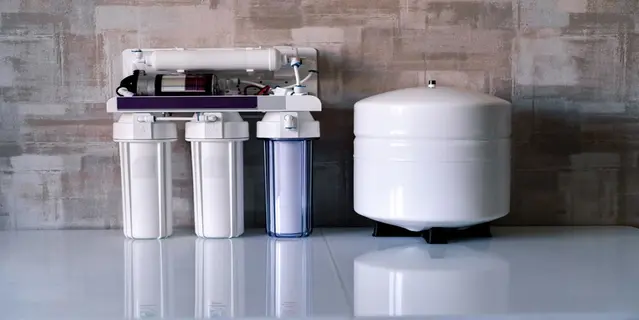
Fortunately, sediment filtration systems offer a straightforward solution. By trapping particles before they reach your pipes and appliances, these systems help restore clarity and protect your home’s infrastructure.
And once sediment is properly controlled, many homeowners are surprised at how much smoother everyday water use feels.
When Water Flow Starts Slowing Down
There’s something uniquely frustrating about weak water pressure. You turn the shower knob expecting a strong, steady stream, but instead you get a disappointing trickle. It’s not just inconvenient — it disrupts simple daily routines.
Low water pressure can stem from various causes, including mineral buildup inside pipes, leaks within the plumbing system, or issues with pressure regulation equipment.
In older homes, corrosion or scale accumulation can gradually narrow pipe interiors, reducing water flow over time. In other cases, faulty valves or hidden leaks may be responsible.
What makes pressure problems tricky is that they often develop slowly. You might adapt without noticing at first, adjusting habits around weaker flow. But eventually, the inconvenience becomes impossible to ignore.
Addressing pressure issues typically requires professional inspection to identify the underlying cause. Once resolved, homeowners often describe the improvement as immediate and deeply satisfying.
Because something as simple as strong, consistent water flow can make daily life feel much easier.
The Importance of Professional Support
While some minor water issues can be addressed with simple maintenance, more complex problems often require expert attention. Plumbing systems are intricate networks, and small issues can quickly escalate if not handled properly.
This is where reliable home water service becomes invaluable. Professional technicians can diagnose hidden problems, recommend appropriate solutions, and ensure systems operate efficiently.
Regular service checks not only fix existing issues but also prevent future ones. Early detection of leaks, pressure imbalances, or filtration needs can save homeowners significant time, expense, and stress.
Many people only seek professional help when problems become urgent. But those who schedule routine inspections often enjoy far more consistent and trouble-free water systems.
In the long run, prevention almost always proves easier than emergency repairs.
The Emotional Side of Water Reliability
Beyond technical concerns, there’s an emotional aspect to water reliability that’s easy to overlook.
Water affects comfort in deeply personal ways. It’s the warm shower that helps you relax after a long day. It’s the glass of water you offer a guest without hesitation. It’s the simple confidence that daily routines will run smoothly.
When water problems arise, they create subtle stress. You may start questioning whether something more serious is wrong, or worry about potential damage to your home.
Restoring reliable water flow and clarity doesn’t just fix physical issues — it restores peace of mind.
And peace of mind, especially within the home, is something people value more than they often realize.
Small Steps That Make a Big Difference
Maintaining healthy water systems doesn’t require constant attention. Instead, it’s about adopting a few consistent habits.
Regularly checking for changes in water pressure, scheduling periodic inspections, and maintaining filtration equipment can prevent most common issues from escalating.
Many experienced homeowners say the key is awareness. Pay attention to small changes. Water rarely develops problems overnight — it usually provides subtle warnings first.
Responding early often keeps solutions simple and affordable.
A Thoughtful Ending: Listening to What Your Home Is Saying
In many ways, water is like the quiet voice of a home. It doesn’t speak loudly, but it communicates through changes in flow, clarity, and consistency.
Learning to recognize those signals allows homeowners to protect both their comfort and their property.
Taking care of water systems isn’t just about maintenance — it’s about creating a living environment that supports daily life without unnecessary stress.