There’s something quietly reassuring about pouring a glass of water that looks clean, smells neutral, and tastes exactly the way it should — like nothing at all. No metallic hint. No chemical edge. Just simple, refreshing clarity.
For most of us, water is a background element in daily life. We cook with it, bathe in it, drink it without much thought. But once you begin paying attention — really paying attention — you start to notice the difference between water that’s merely acceptable and water that feels truly refined.
That shift in awareness is driving more homeowners to explore modern filtration systems. Not out of fear. Not out of trendiness. But out of a desire for better control and confidence.
What’s Actually in Your Water?
Municipal water systems do an impressive job meeting safety regulations. That’s worth acknowledging. Still, safety standards don’t necessarily guarantee optimal taste or long-term comfort.
Water travels through miles of infrastructure before reaching your home. Along the way, it can pick up minerals, sediment, trace chemicals, or residues from aging pipes. Most of these exist within regulated limits, but even small amounts can affect flavor, odor, or appearance.
This is where thoughtful impurity removal becomes important. It’s not about eliminating everything indiscriminately. It’s about targeting what doesn’t belong — excess sediment, chlorine byproducts, certain heavy metals — while preserving the essential character of water.
Modern filtration systems are designed with that balance in mind.
The Rise of Membrane Technology
If you’ve looked into filtration recently, you’ve probably encountered systems built around membrane filters. These aren’t your average screen-style filters that catch only visible particles. Membranes operate at a microscopic level, separating water molecules from dissolved solids.
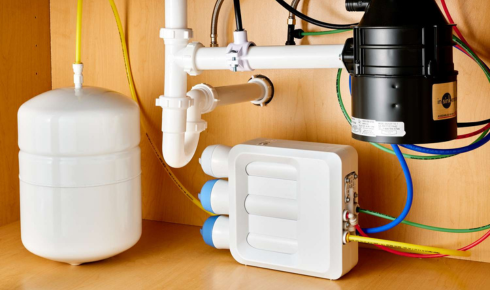
Reverse osmosis is the most well-known example. By pushing water through a semi-permeable membrane, it significantly reduces contaminants that standard carbon filters might miss.
The result? Water that’s remarkably consistent.
It’s not just about clarity in appearance — although that’s noticeable too. It’s about uniformity in taste. When dissolved solids are minimized, water feels lighter and smoother.
For families who rely on tap water for cooking and beverages, that consistency makes a difference. Coffee tastes cleaner. Ice cubes freeze without cloudiness. Soups and broths don’t carry unintended mineral notes.
The Human Side of Water Purity
We don’t always talk about the emotional impact of water purity, but it’s real.
When you trust your water, daily routines feel easier. You don’t hesitate before filling a child’s glass. You don’t reach automatically for bottled water. You don’t wonder whether the faint taste you’re noticing is normal.
Water becomes something you can rely on without second-guessing.
That quiet confidence changes how you experience your home.
Not All Filtration Is Equal
One of the biggest misconceptions is that any filter will do the job.
Basic pitcher filters improve taste to a degree, often by reducing chlorine. Refrigerator filters serve a similar purpose. But comprehensive systems go further, addressing sediment, dissolved solids, and specific contaminants identified through testing.
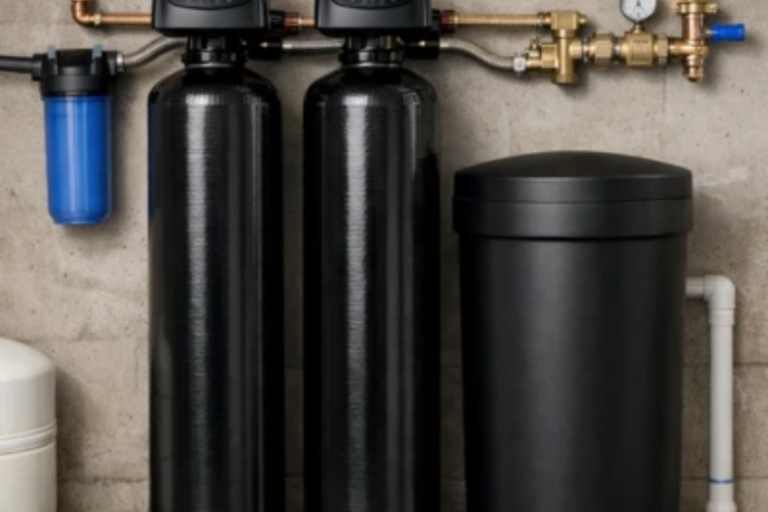
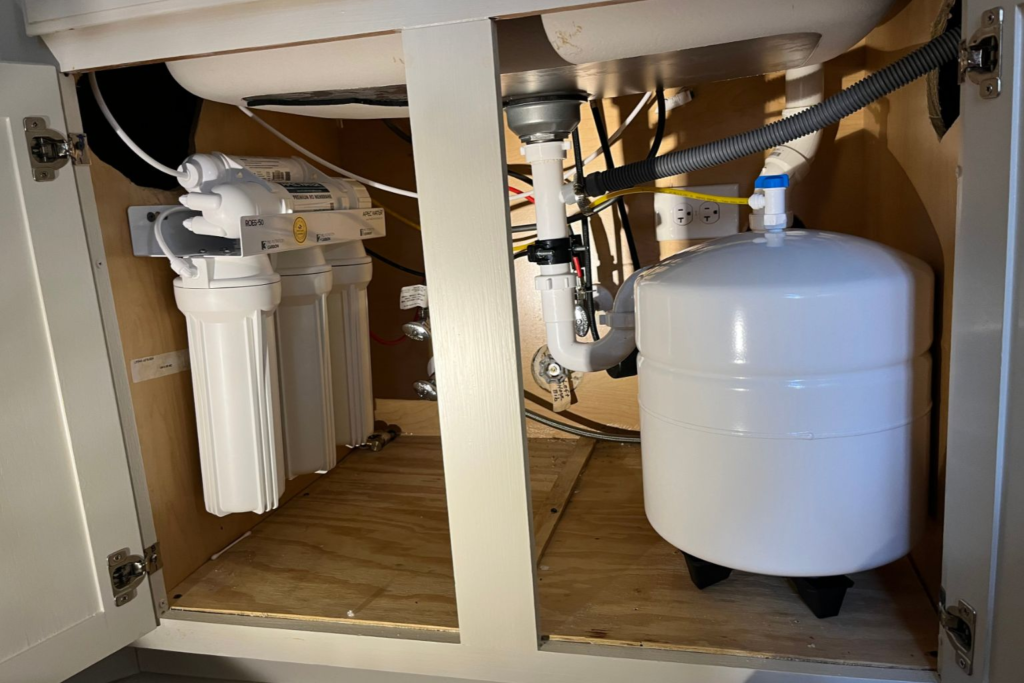
Layered filtration — combining sediment pre-filters, activated carbon, and membrane stages — allows each component to do what it does best. Sediment filters protect membranes from clogging prematurely. Carbon reduces taste and odor compounds. Membranes handle dissolved impurities.
It’s a team effort, not a single hero.
Maintenance: The Overlooked Factor
Even the most advanced system requires care.
Membrane filters have lifespans. Carbon cartridges eventually saturate. Skipping replacement intervals doesn’t cause immediate failure, but it does reduce efficiency over time.
Fortunately, modern systems are designed with convenience in mind. Indicator lights or simple calendars help homeowners stay on track. Replacing cartridges often takes just a few minutes.
Maintenance isn’t complicated — it’s simply part of ownership.
And when done consistently, it preserves both performance and peace of mind.
Cost Versus Value
Water filtration systems vary widely in price. From compact under-sink units to whole-home systems, the investment depends on scope and complexity.
But evaluating value means looking beyond the upfront expense.
Consider bottled water purchases over the course of a year. Appliance wear caused by sediment. The subtle influence of water taste on daily hydration habits.
Over time, improvements compound.
The goal isn’t extravagance. It’s alignment. Choosing a system that matches your water profile and lifestyle ensures you’re investing wisely rather than impulsively.
A Thoughtful Approach
Before installing any system, testing your water is essential. Knowing hardness levels, total dissolved solids, chlorine concentration, and other factors prevents unnecessary upgrades.
Data turns guesswork into strategy.
Once you understand what’s present, selecting a filtration approach becomes straightforward.
Final Thoughts
Water may be invisible in many ways, but its impact is tangible.
From impurity removal to advanced membrane filtration and a renewed sense of water purity, modern systems offer a refined way to experience something we use every day.
You don’t need to obsess over every mineral or molecule. But taking a thoughtful look at your water — and choosing solutions that match your needs — can quietly elevate daily life.
Because when your water tastes clean, looks clear, and feels reliable, you stop thinking about it altogether.
And sometimes, that quiet assurance is the greatest luxury of all.